As our Land Use Plus project (funded by the Esmée Fairbairn Foundation) gets under way, we wanted to delve a little deeper into our aims, explain what they mean, and discuss what has informed them. Alongside our work with Brighton & Hove City Council on their City Downland Estate Plan, we intend to bring clarity to consumers and help farmers find local routes to market, as well as improving access to local food in the area for all.
Encourage nature friendly farming that both produces food and protects and restores rare local habitats
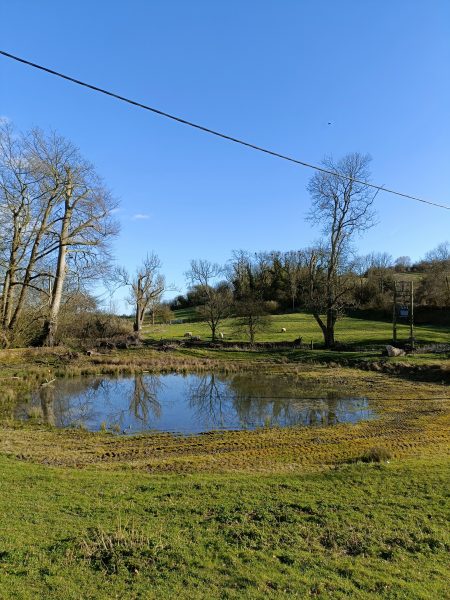
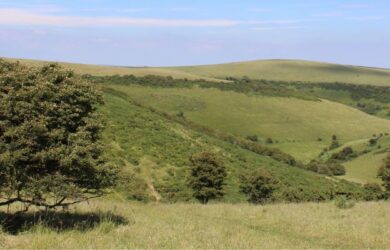
Place should be far more of a consideration when creating food systems – what works for one land type does not always work for another. The South Downs are a classic example of this; the thin, chalky soil is difficult to grow crops on without high levels of chemical inputs (fertilisers etc). Rare chalk grassland, however, requires grazing to thrive. We are seeing this precious and endangered habit disappear as grazing animals are removed from the land, and it becomes overgrown with scrub or replanted with arable crops.
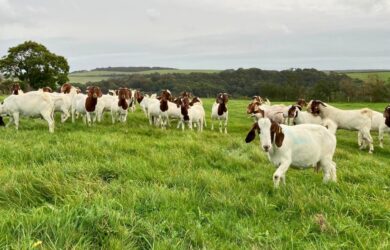
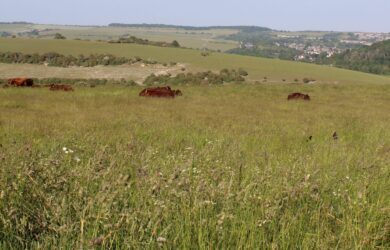
Conservation grazing is the use of grazing animals (usually sheep or cows) to restore or preserve grassland habitats. The Land Use Plus project is linked to Changing Chalk through their Sussex Grazed initiative, which delivers conservation grazing with a useful end product that feeds into the local food system.
Increase local awareness of the environmental impacts of food production
Food supply chains are generally long and complex, this distances us from how and where food is grown and prepared, hiding much of its “true cost” (perhaps intentionally). Whilst it may seem a luxury to consider the environmental impact of the foods we eat, as extreme weather events become more normal and, indeed, impact food supplies, it is clear that more clarity is needed.
The way in which we farm has the potential to impact the environment in a number of ways.
- Farming is one of the UK’s highest greenhouse gas emitting sectors, moving away from nitrogen fertiliser (made from fossil fuels), and farming with natural systems can help to reduce this impact.
- A move to fewer inputs can also reduce chemical run off into water sources, in the case of the Brighton downs, this is the aquifer which supplies the City’s water.
- Nature friendly farming techniques can also help to “climate proof” land by increasing the amount of water soil can hold, reducing the risk of both flooding and drought, as well as increasing the amount of carbon it can absorb.
- Biodiversity is perhaps the most relevant environmental concern when it comes to farming the South Downs; restoring the rare chalk grassland habitat would bolster numbers of rare insect and plants, especially those which are critically endangered.
Develop and improve local supply chains
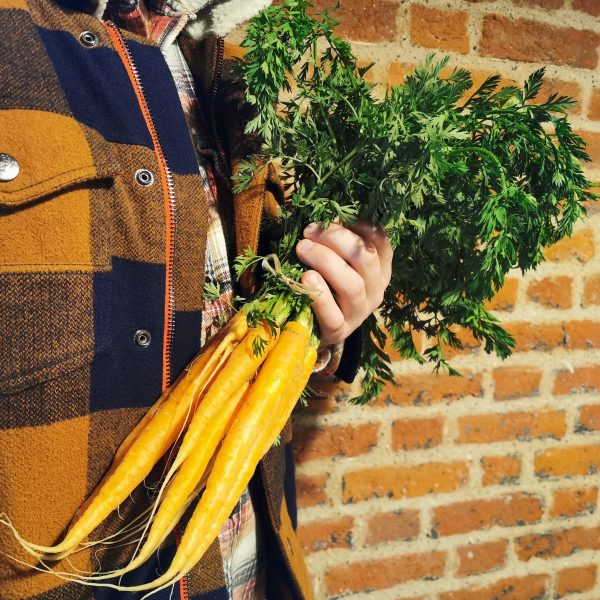
We’ve seen a lot of press about food and farming in the UK recently, which has highlighted quite how much of our food is imported. As a relatively small country, we won’t be able to grow all the food we need to feed our citizens, especially not if we want the degree of choice we’ve become accustomed to. Farmers face the difficult task of balancing making a living with their role as guardians of our land. Our food system has become a race to the bottom, with farmers getting paid less and less for the food they produce. Creating a better food system which allows farmers to produce food in a nature friendly manner whilst still making a living, and providing quality food to the local community, is the only next step for farming in Britain.
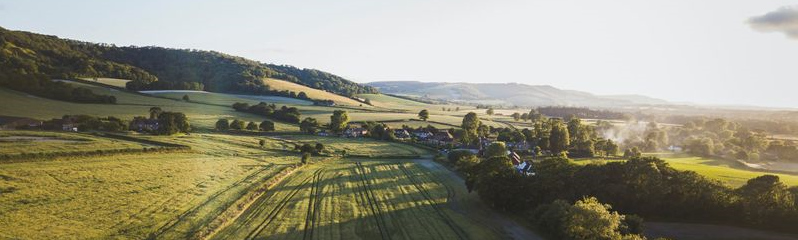
Brighton & Hove is unusual in that it is a fairly large city which directly borders traditional countryside. Uniting city dwellers with the surrounding countryside is not only vital to improving wellbeing, but in improving diets and access to quality food for all, and in creating an understanding of the land, its history, and the food it produces.
Support a joined-up approach to land use in the local area, connecting food production with the environment and spaces for people
When land use is being decided, parcels of land are usually looked at in isolation rather than in a wider context. This can lead to land being used to tick a box, rather than choosing the best use for its particular characteristics given the other pieces of land available. For example, a piece of land which may have traditionally been used as market gardens or orchards is set aside for housing as it is close to existing homes. Depending on the other land available for housing, it may be better to consider that this land is flat, probably has good soil quality, and would be well suited to community allotments. This would allow the urban community to spend time outdoors, producing low input food, whilst learning new skills. The advantage of the City Downland Estate Plan is it covers a large area of land and concentrates on a joined-up approach to land use.
We are excited to make this ambitious project a reality and look forward to updating you as it progresses via our blog, Facebook and Instagram accounts.