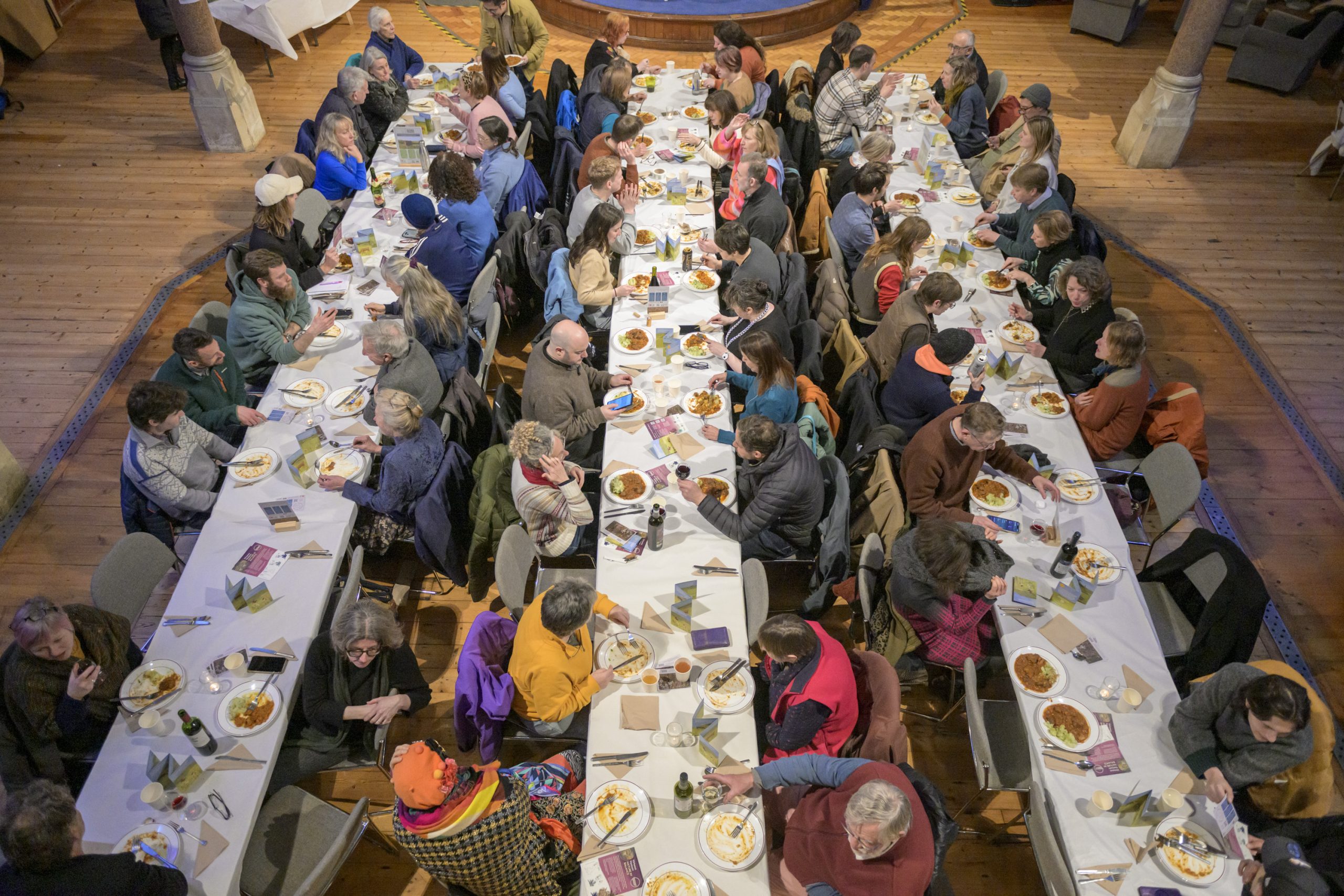
Earlier this month we hosted out first ever supper club; the Sussex Grazed Supper, was our first ever supper club, This brought together farmers, conservationists and local food enthusiasts to explore the role of food in nature restoration. The evening was a huge success. If you weren’t able to join us on the night, or simply want to re-live it, continue reading to hear what went on.
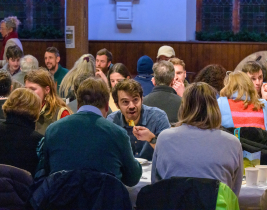
A Warm Welcome and an Inspiring Film
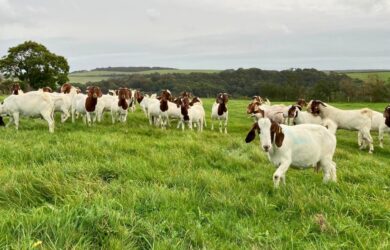
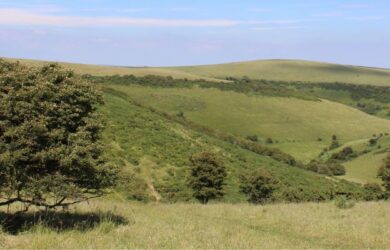
We began the evening with an introduction from Vic, Director of the Food Partnership, who spoke about the Sussex Grazed project as well as the plan for the evening. As part of Changing Chalk, Sussex Grazed is dedicated to restoring Sussex’s chalk grasslands by supporting conservation graziers in their efforts to protect this unique landscape and its biodiversity. The project also focuses on creating sustainable routes to market, ensuring that locally produced, high-quality meat is accessible for local people to enjoy.
To set the scene, we screened a short film made by Pasture for Profit. The film highlighted the beauty and ecological importance of the chalk grassland landscape, showcasing many of our Sussex Grazed farmers. It also featured panellist Hugh Passmore, who later shared his experience and insights during the panel discussion.
A Thought-Provoking Panel Discussion
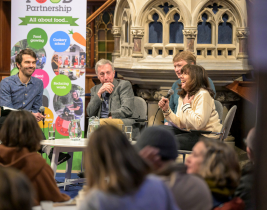
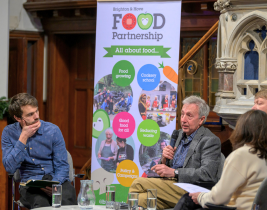
The evening’s panel discussion, chaired by Phil Holtam (Director of Sussex Surplus and Regional Programmes Manager for Feedback Global), tackled the question: “Why should we eat (some) meat?” The panel featured:
- Tony Whitbread, President of Sussex Wildlife Trust
- Hugh Passmore, Applesham Farm
- Hilary Knight, Virtuous Venison and Sussex Food & Drink Network
The panel discussion opened with each panellist introducing themselves and sharing a little about their roles and experiences. This helped set the scene for the evening, highlighting the different perspectives each panellist brought to the table. They also outlined how their work connects to the key themes of the event, from sustainable meat production to the conservation of Sussex’s unique chalk grassland habitats.
A recurring theme throughout the discussion was the vital role grazing animals play in maintaining healthy, biodiverse landscapes. As Tony Whitbread explained, “open habitat is formed by grazing and browsing” and “grazing is a completely inherent part of a natural system.” Carefully managed grazing prevents scrub from overwhelming the landscape, allowing rare species to thrive and supporting the rich biodiversity that makes chalk grasslands so special.
Tony also highlighted that well-managed grazing schemes offer more than just environmental benefits. “It is not a compromise between nature conservation and providing meat.. it is a win win.”
Addressing Deer Management and Woodland Decline
The panel also explored the growing issue of deer overpopulation and the lack of infrastructure to manage it effectively. Hilary Knight spoke passionately about the damage deer are causing. “One of the major problems is the damage to the woodlands.” She also emphasised the need for responsible deer management, saying “They (deer) need to be managed for their sake and for the sake of all those other elements as well.”
The conversation linked these challenges to wider environmental trends. As Tony Whitbread stated, “In 1900 Britain was covered by about 4% woodland, now it is 12%. In 1900 there were plenty of dormice, plenty of nightingales, now they’re in decline.” This illustrates how changes in land use and species populations have disturbed the natural balances, something Tony summarised very honestly. “We have wrecked the balance of nature; we need to do something to bring it back in hand.”
The Barriers Facing Local Meat Supply Chains
The panel also touched on the very real challenges facing local farmers and producers in getting their products to market. Hugh Passmore highlighted the seriousness to the situation in Sussex for local met production. “Infrastructure is a serious problem at the moment, there is only one remaining abattoir near Henfield.”
He went on to explain how rising costs are also affecting farm businesses like his. “We do less boxed meat now.. the cost of processing it and packaging it has gone up so much.” These challenges make it increasingly difficult for smaller farms to supply directly to local customers.
This discussion led naturally into a conversation about venison. Many attendees who enjoyed their venison supper were surprised to learn how difficult it is to source local venison. As Hilary Knight put it, “What I would love to see is venison available in every butcher shop.” This message was echoed around the room.
Engaged Conversations and Community Connections
The audience contributed fantastic questions, sparking further discussion on the relationship between biodiversity, nature recovery and meat production.
One key topic of conversation from the audience was the barriers to the local meat supply chain, with the recent closure of a Sussex abattoir and the threat of closure hanging over the only remaining one, as Hugh mentioned. The future of local meat production hangs in the balance and more needs to be done to save it.
It was so great to hear so many amazing and thoughtful questions for the panel to answer, but also for the wider audience to consider. It was literally food for thought
A Feast to Remember
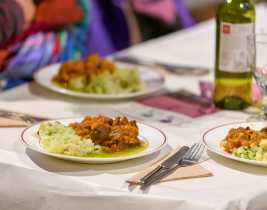
And of course, no partnership event would be complete without an incredible meal, and Sussex Surplus really delivered for our supper. They prepared a rich and flavourful venison stew, using meat from Ben Marks at The Deer Project, alongside a delicious vegan alternative. the one Fallow Doe from Ben was able to feed 70 very satisfied guests. The meal was complemented by apple juice from Brighton Permaculture Trust and Nettle Lemonade from Old Tree Brewery, both well received by our curious attendees.
A Huge Thank You
Events like this wouldn’t be possible without our incredible volunteers, whose hard work made the evening such a success. We are immensely grateful for their support in creating a welcoming space for conversation, learning and delicious food.
As we look ahead, we are excited to continue championing sustainable food systems and conservation grazing. Thank you to everyone who joined us. We cannot wait to see you at our next event.
If you missed the event or would like to watch the panel discussion again, you can view the recording here.
Here at the Brighton & Hove Food Partnership, we are passionate about connecting people with good food. With this, and through the lens of our Land Use Plus and Sussex Grazed projects, we want to educate people about the landscapes that sustain us, as well how as sustainable farming can support them.