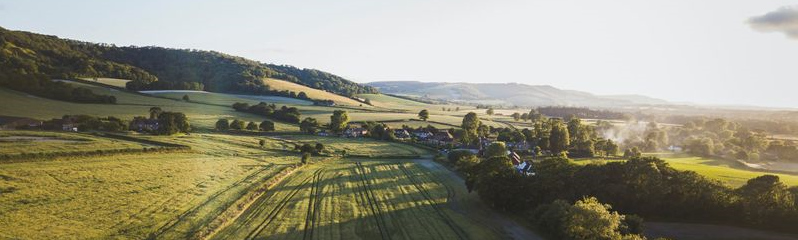
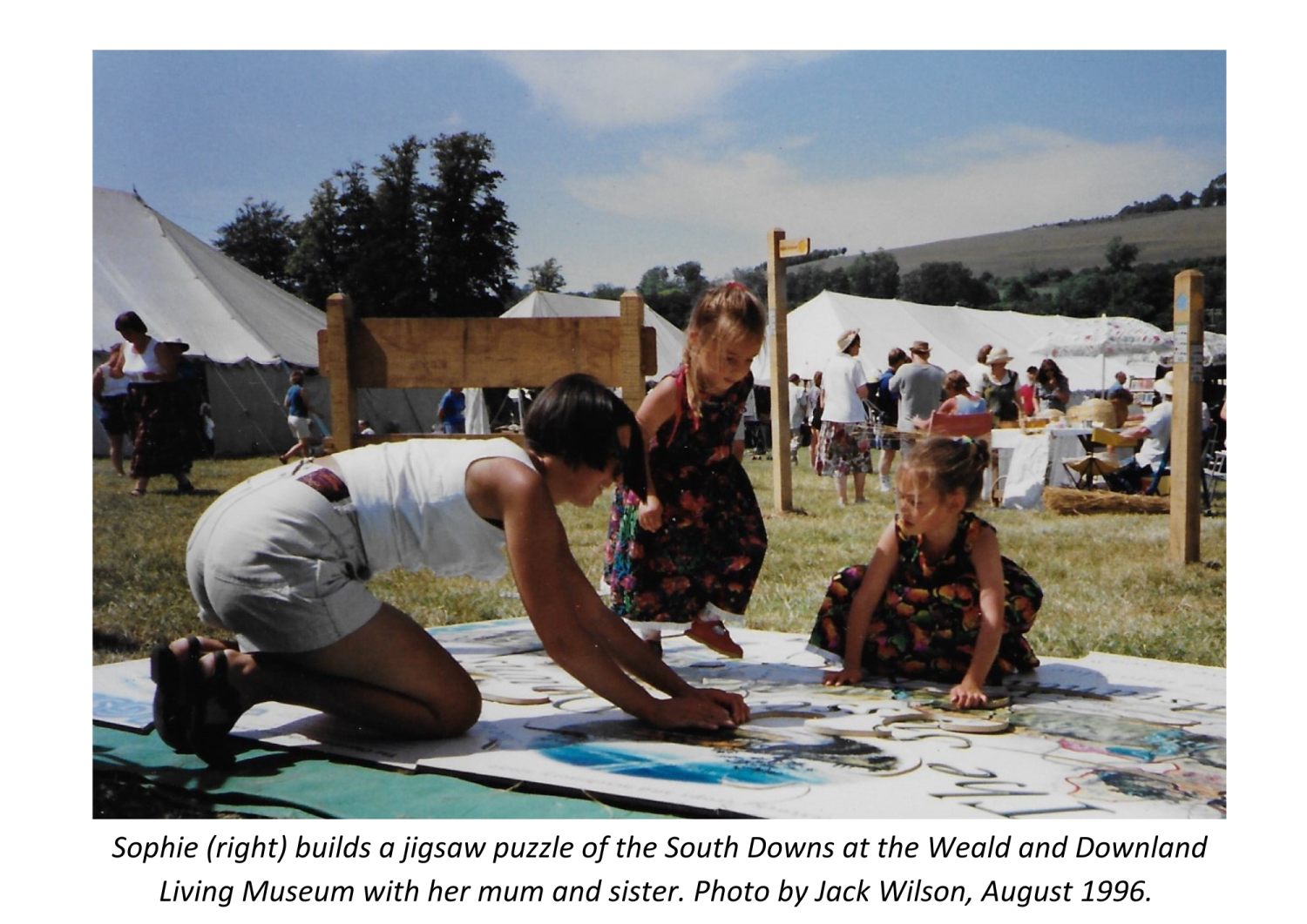
I have recently joined Brighton & Hove Food Partnership in the new role of Land Use Plus Project Manager. The Land Use Plus project is funded by the Esmée Fairbairn Foundation, and is tasked with working with the city council, the national park, wildlife organisations and farmers to deliver the recently adopted City Downland Estate Plan.
It is an interesting time to be working on food and farming with many changes and opportunities and, having moved back to the downs I grew up in for this role, I am thrilled to play a part in helping to maintain this iconic landscape.
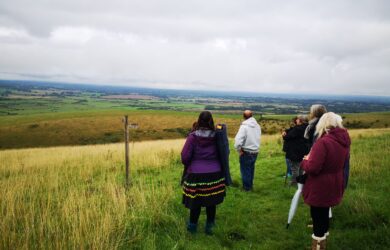
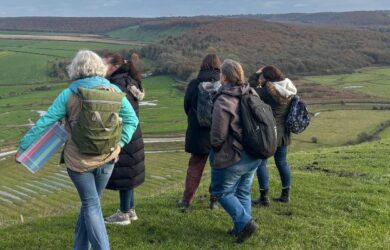
You may not realise that around 12,800 acres of the South Downs surrounding Brighton & Hove are actually owned by the City Council. This land was purchased by the Council in the 19th century to protect the city’s water supply and preserve it for future generations to enjoy. As our lifestyles have changed over the years, so have the demands we put on the rolling downs.
In 2023, the question for Brighton & Hove City Council as owners of this land is what is the vision for the next 100 years? How can this public asset help us to meet the challenges we will face around climate change, food security, the nature emergency and public health?
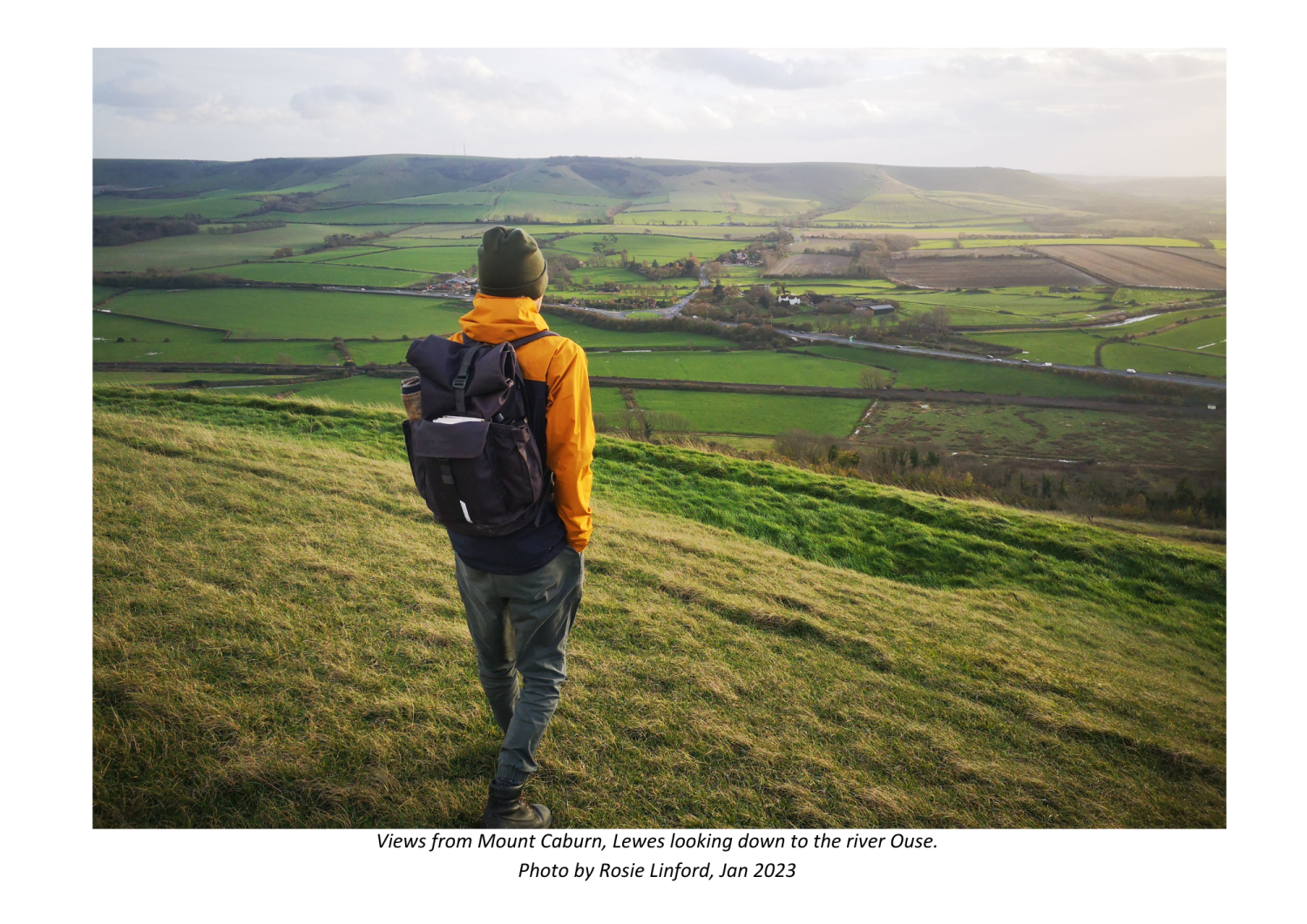
What has informed the plan?
Their answer is set out in the far reaching City Downland Estate Plan, which was approved by the South Downs National Park Authority last week.
This impressive plan is built around four themes of “Natural Systems”, “Land Use and Management”, “Climate Change”, and “Cultural”, and calls for landscape scale restoration of the publicly owned downland. Almost all (94%) of the City Downland Estate falls within the South Downs National Park, there is crossover with the UNESCO Biosphere (The Living Coast), and the area contains many Sites of Special Scientific Interest. This, combined with the fact the land is in public ownership and that the City’s water is sourced from aquifers which run through it, means that there are an extraordinary number of bodies with a vested interest in how the land is used. Partnership work will be key to getting this plan delivered.
- Rare chalk grassland environment has developed over years of continuous grazing, highlighting how natural systems often play into farming techniques and vice versa. Unfortunately, this habitat is becoming more and more fragmented as the way we use the land has changed.
- The majority (78%) of the estate is made up of tenanted farmland which produces food for both local and national food chains. Protecting the livelihoods of these farmers and bolstering national and local food security are key considerations.
- Climate change is of great concern for both the public and city councils, and the way in which we farm holds huge potential for reducing our impact.
- The nation has recently rediscovered the great British outdoors, and interest in outdoor pursuits has soared. Public access, and connection, to the downs and the heritage they hold has therefore never been more relevant.
The South Downs have long provided sustenance, access to nature, and escape; this plan brings together food, biodiversity, and people in a triad of possibility.

Why does the way we farm in the South Downs matter?
Whilst UK agricultural greenhouse gas emissions have reduced since 1990, it is still one of the country’s highest emitting sectors. Changing the way in which we farm the downs has the potential to decrease these emissions locally, as well as impacting carbon sequestration and climate proofing the land.
Over the last several decades, we’ve seen a dramatic reduction in the biodiversity found in our “wild” landscapes. Chalk grassland is a key habitat for endangered plants and insects particularly, so supporting its regrowth through nature friendly farming and restoration will be key to bolstering the numbers of the hundreds of protected and designated species which can be found on the estate.
Chalk landscapes don’t support above ground rivers, as the mineral is very porous. Instead, underground aquifers channel the water. This is the source of drinking water for the whole of Brighton and Hove. The Aquifer Partnership works with farmers to reduce the amount of nitrates from farming that end up in the chalk aquifer, which in time will mean that these no longer need to be removed from the water supply, saving cost and reducing pollution.
Farming is a difficult pursuit; farmers need to be able to both safeguard our land and make a living. The plan has a clear focus on ensuring farming in a nature friendly manner is profitable and sustainable for farmers, and that their interests are protected long term through improvements to local routes to market, support to accessing finance for nature friendly farming, and diversification of their activities beyond farming alone.
Brighton & Hove City Council should be celebrated for creating a holistic plan and taking a collaborative approach towards improving land with so many interested parties, including generations to come. This is an exciting and forward thinking step from a City Council who understands the importance of access to green spaces, especially to city populations. The goals contained within the plan set an example for publicly owned land management nationally, and I am excited to play a part in helping to stitch back together both the critically endangered chalk grassland environment, and our relationship with it.
With special thanks to the