A piece in the landscape jigsaw
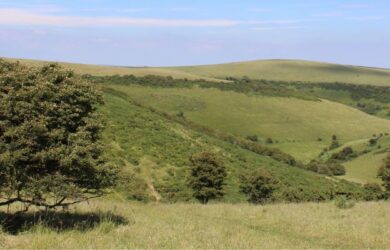
There are excellent examples of conservation grazing on the Downs, but it is important that this ‘good’ grazing doesn’t happen in isolation. To mitigate climate change and prevent further loss of biodiversity, we need nature recovery to be happening at landscape scale. This means zooming out from the individual farmer and looking at the bigger picture.
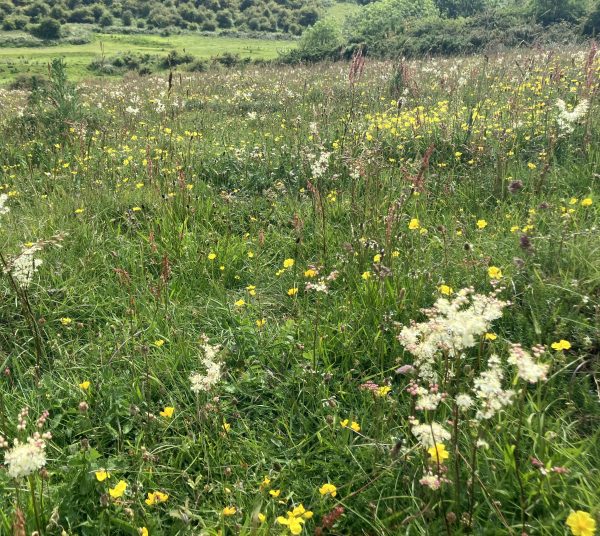
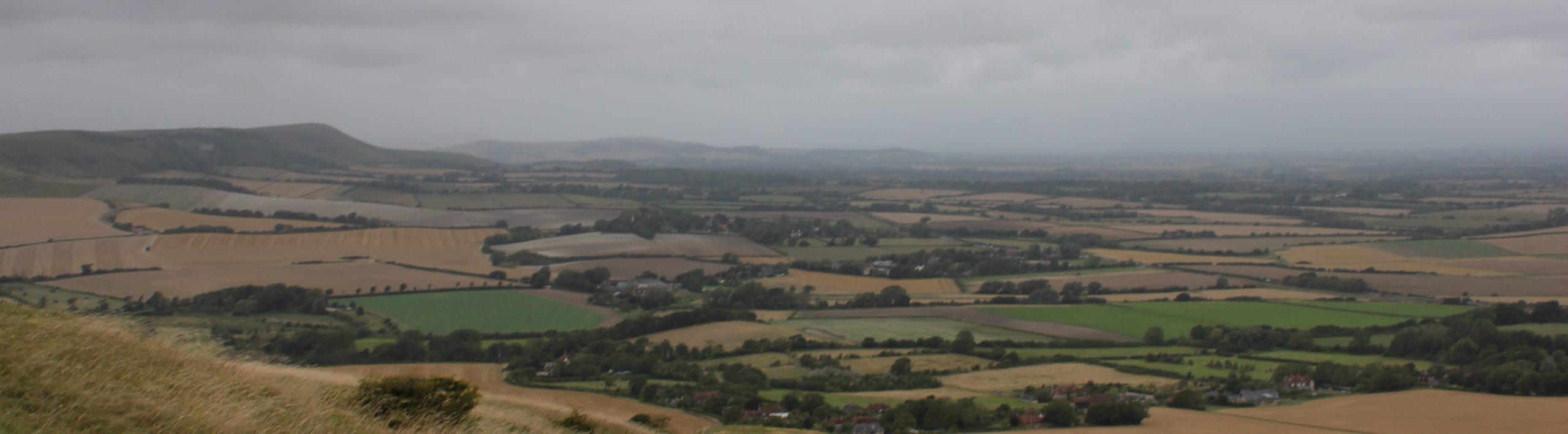
In the Land Use Plus Project, we start by considering the Brighton and Hove City Downland Estate with its 13,000 acres of land, 78% of which is tenant farmland. Through our partnerships with ecologists and the local council, we have mapped the fragmented chalk grassland and associated habitats around Brighton in order to create a baseline from which to prioritise areas for recovery and farming interventions. Ecologists are broadly in agreement that cattle, sheep and ponies play a valuable role in restoring chalk grassland, although the precise approach and definition of quality chalk grassland will always be hotly contested.
By identifying pockets of established chalk grassland, farmers and landowners can work together to develop nature corridors. These corridors will, with time, connect not only the small patches of remaining chalk grassland, but create habitats and pathways for a wide variety of species to thrive.
Creating landscapes
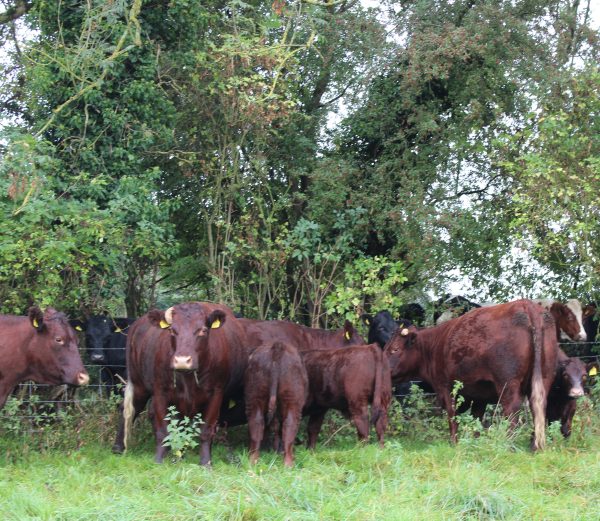
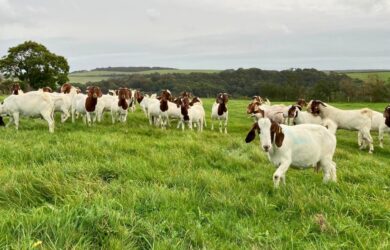
Whilst the landscape of the Downs is considered by many to be a natural one, it is the result of thousands of years of management by humans. There are many custodians of the Downs, working in partnership with farmers for effective chalk grassland management across the county. Expanding the area of land we’re looking at to that covered by the Changing Chalk project, the South Downs National Park Authority are developing ‘Mobile Grazing Hubs’ from Adur to Eastbourne. These spaces will provide back-up land and host mobile equipment, so that farmers may move their grazing animals around efficiently, allowing fallback land when, seasonally, they are at risk of over or under-grazing delicate habitats. This grazing project promotes conservation grazing techniques including mob grazing.
Farmers Weekly writes “The extended nature of mob grazing allows grass leys more time to recover. This promotes leafy growth, builds root structure and improves overall soil health – at the same time as boosting grassland productivity.” They suggest that “Mob grazing could become more popular in future as the government ramps up pressure on farmers to rebuild soil.” Techniques such as these mimic the way in which large migratory animals, such as the aurochs, would have grazed as they travelled the countryside in herds. It also harks back to the way in which shepherds have traditionally grazed the Downs for hundreds of years.
The Brighton Downs Alliance support the claim that “Restoring permeant grassland from arable or improved grassland… can positively impact biodiversity and reduce GHG emissions.” (British Ecological Society’s 2021 report on on nature-based solutions for climate change in the UK)
This reflects the vision of the Brighton and Hove City Council’s City Downland Estate Plan, where the council have revised their approach to farm tenancies and livestock grazing opportunities, with a strong emphasis on sustainable farming contracts and chalk grassland restoration. Looking at nature recovery on an estate scale, they recognise the benefit of mobile grazing hubs to “provide flexibility and dynamism in being able to manage habitats and enable regenerative agriculture practices.” (James Woodward BHCC)
How do we balance competing land uses?
We mustn’t forget that other types of grassland, scrub, heath, hedges and woodland all play a part in creating an ecosystem which supports varied life. A monoculture is never a good thing, but nor is a grassland landscape which is restored or rewilded to the exclusion of other wildlife habitats, public access and farming for food production; there has to be a balance.
The Food, Farming and Countryside Commission have created a multifunctional land use framework to help guide planning decision makers. It is “A practical process that supports better, more sustainable decisions about land, by all those who need to make them, including local and national government, businesses and communities.” The framework encourages community participation and favours land uses which provides for people, nature and economy in unison. It also asks that decisions about small portions of land are taken in the context of the wider landscape.
There is an argument that it is our responsibility to return land to nature at all costs, but when that cost is reducing national food security and offshoring production (and therefore emissions) to developing countries, it is not one we should be willing to pay.
The idea of land sharing instead of land sparing allows for nature to be incorporated into farming practices rather than putting land aside for nature. Treating nature recovery and protection as a “product” which farms should produce also becomes a way in which farmers can supplement the low prices they receive for the food they grow. Examples of ways in which farmers can deliver ecosystem services include the work done in partnership with Southern Water to reduce nitrate leaching into the chalk aquifer which provides drinking water for the whole of Brighton and Hove. The Weald to Waves project embodies the idea of land sharing and has ambitious targets to establish a 100-mile nature corridor across Sussex which continues to produce food.
So what needs to happen?
Our local council are ambitious and progressive in the conservation aims for the City Downland Estate land, and they reflect wider regional and national environmental strategies. We need this governments support to action longer term solutions for climate resilience and food security at scale. The success of our local plan would pave the way for other local authorities to follow suit and truly utilise public land for public good.
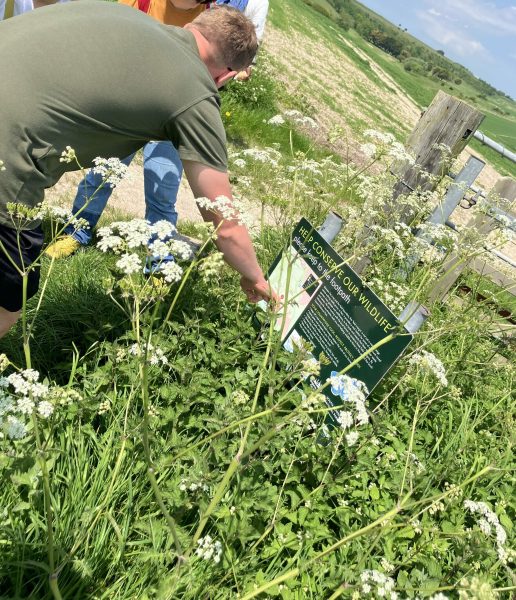
It is essential that when we, the citizen, are out enjoying the managed landscape of the Downs, we remember the countryside code; keeping dogs on a lead, respecting grazing animals, and sticking to marked footpaths even where land is open access. This ensures that nature has a safe space to thrive without interference.
We can also choose to buy meat from local farmers who are grazing sheep, goats and cattle sensitively on the Downs, and other local produce from those farming and growing in a nature friendly manner.
We hope this series of blogs has helped to shed a little light on the complicated matter of conservation grazing. Stay tuned for more blogs on nature friendly farming on the Downs.