Feeding Britain have published their latest report Feeding Resilience. It reveals the important role of Affordable Food Clubs (often known as pantries or social supermarkets) in boosting diet, strengthening financial security and fostering community. Across Britain, Affordable Food Clubs are providing a stepping stone away from food bank reliance and connecting people to wraparound support services. They are reaching communities most in need, are linked to healthier diets and have a positive impact on mental wellbeing.
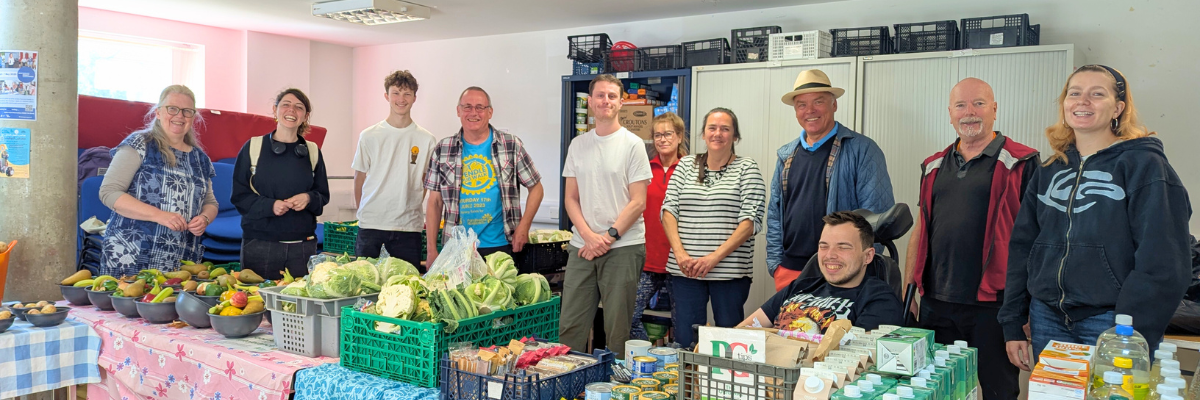
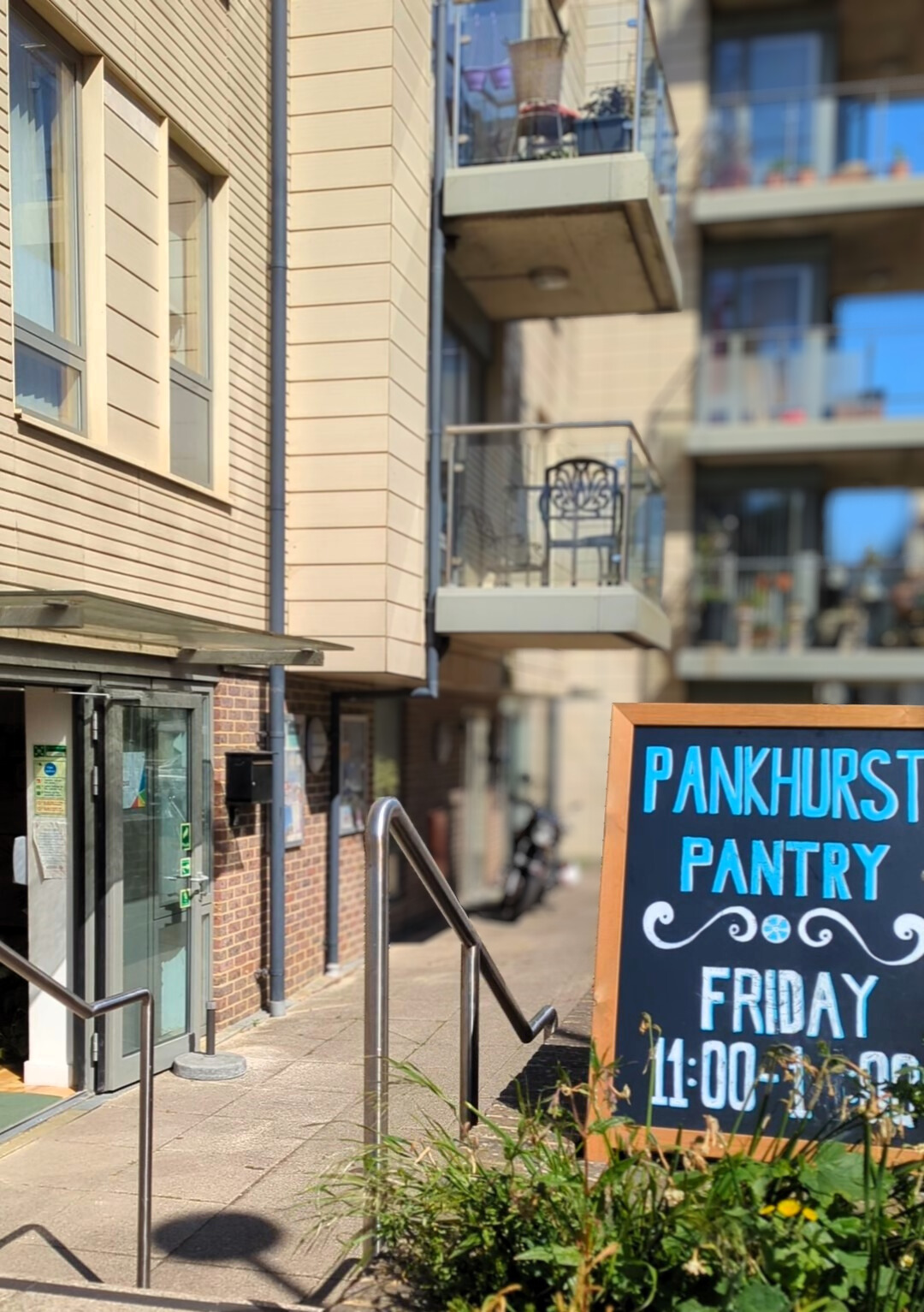
I visited an Affordable Food Project having an impact in our city last summer, as part of the Emergency Food Network survey. One day a week, at the top of a steep hill in East Brighton, the Edge Community Centre becomes a vibrant social supermarket called Pankhurst Pantry. Amanda, who runs the pantry, and regular volunteer Damien share their insider knowledge in the following case study. Amanda also brought her insights to the panel discussion at our webinar which you can watch on our YouTube channel.
Why start an Affordable Food Club?
The project began as a food bank during the lockdowns, in close collaboration with other local food projects. But Amanda observed “when the COVID restrictions lifted, people started not to turn up. People were saying they didn’t want to be seen coming to pick up a bag of food for a charity handout.”
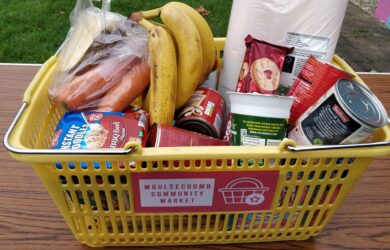
This led to the horseshoe shaped arrangement of market-stall-like tables which welcome customers today. After paying their £5 fee, visitors browse and choose items at their own pace, a key feature of a social supermarket model. Many clients are in insecure work and struggle to make ends meet. Some pay it forward when they can, giving £10 to cover their fee and pay for someone else’s shopping.
Volunteers like Damien are aware seeking support can still be nerve wracking for some.
“I’d say don’t worry. There’s no stigma. Anybody can come, it’s an open door. We’re here to welcome you.”
How do you source food for your members?
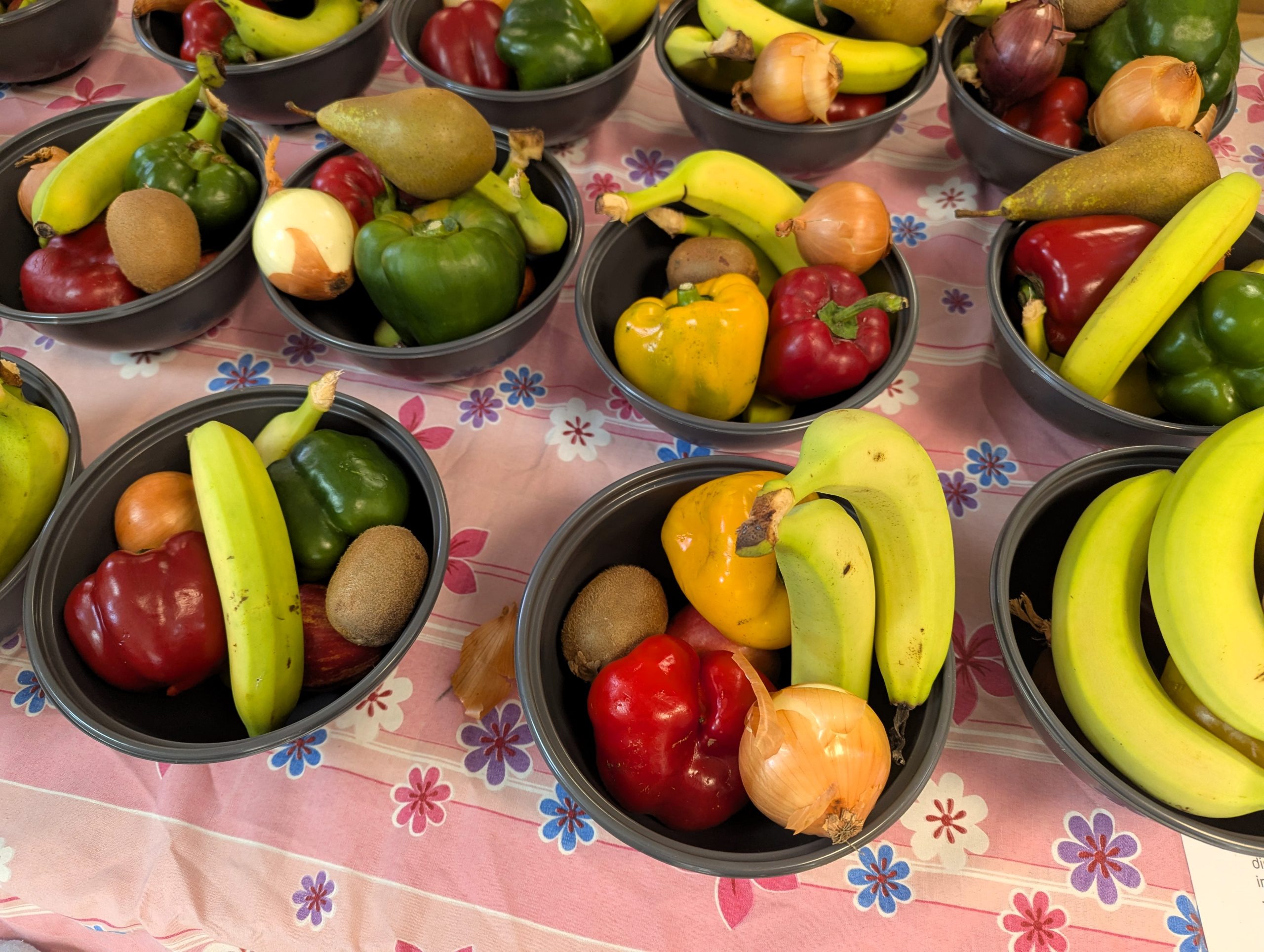
Providing a choice of healthy, appealing and culturally appropriate food is key. Yet this can be a challenge for food projects which rely heavily on donations and surplus. The cost of their food shop has doubled since 2022, with Amanda now spending £200 at the supermarket to top up stock each week.
Despite this uncertainty, the project has become a space to share food, knowledge and culture. Well known staples such as pasta or rice are always stocked. But when something more unusual, like a 5kg donation of quinoa, comes in the volunteers help people understand how to cook it. “We will also exchange information” Amanda explains,
“I’ve learned so much. Customers will tell us how to preserve or prepare a food. It works both ways.”
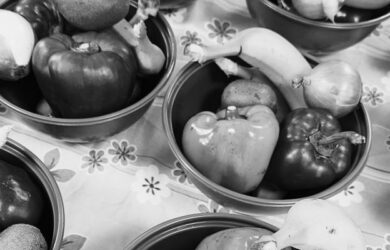
Examples include how to pickle radishes, cook green beans, or freeze chilli peppers. Some visitors take fresh produce home, then bring back the meals they’ve made to share, including Greek pastries and stuffed peppers.
And even more new opportunities are arising now that the project has started receiving frozen food as part of their order from FareShare. As well as extra items for their freezer, they are a part of the Venison Pilot Project. This scheme is working in partnership with Natural England to tackle two problems at once. Serving venison at food projects addresses the overpopulation of deer in our countryside and provides an affordable source of animal protein at a time when the price of meat is soaring. Amanda says “venison mince is locally sourced and that’s been very popular.”
What’s it like to volunteer at a Social Supermarket?
With a userbase that has grown from 20 to up to 70 a week, allowing the freedom of choice from the table has also reduced the admin load on volunteers. No longer packing bags from a list of orders, they now have more opportunities for public interaction.
“We don’t just do food, we do community” says Amanda. “Some of our volunteers are customers too. I encourage people to ‘cross the table’.”
The variety extends to the tasks volunteers can choose, from decanting bulk stock into portions, making refreshments and greeting visitors. “I’ve done volunteer management for years and years, so we try and make everyone feel comfortable and let them do what fits their skill set. It is about tailoring those activities” says Amanda. For some volunteers this is an opportunity to grow confidence and build stronger relationships. Volunteering has helped some people progress from homelessness into secure housing and work, while others have become keystones of their community.
The enthusiasm, skills and community connections of volunteers like Damien have made the project what it is today.
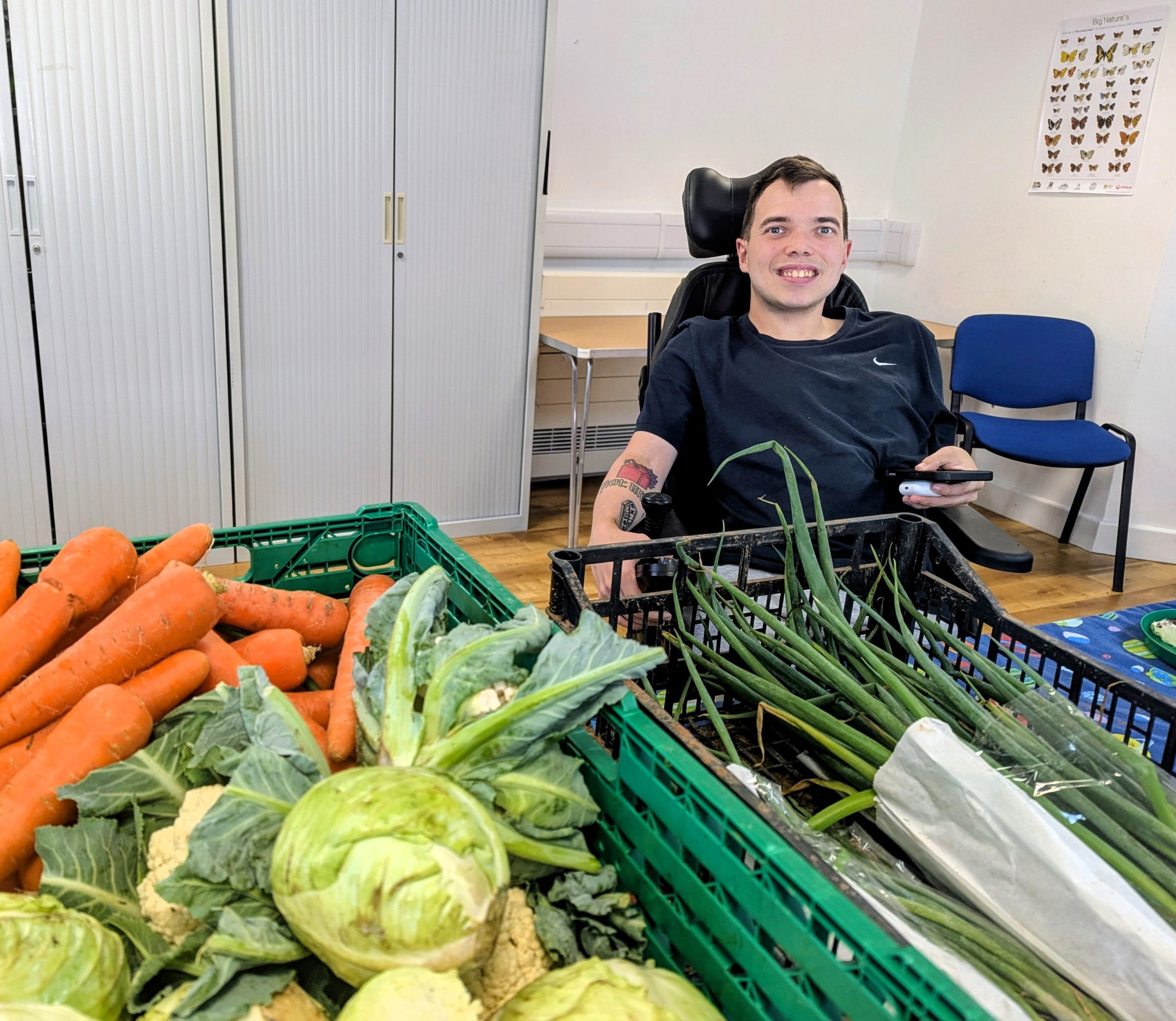
As a wheelchair user, Damien had experienced unfair barriers to getting involved in volunteering in other settings. “I’m grateful to Amanda and the team because they gave me a chance. This is the first place where I felt welcomed. I wasn’t mollycoddled or treated differently. I immediately felt part of the team”. Damien not only volunteers his time at the project, but takes leftover produce home to share via Olio and Social Media, after realising that some people who don’t feel able to come to Pankurst Pantry do come to his front door.
“What’s a few hours of my time for the difference I make to people? And those people are helping us grow personally as well. I would like to say thank you to everyone, because not only is it brought together a community. It’s providing a much-needed service.”
The process of volunteer management was something Amanada considers very carefully, particularly around delegation, succession planning and not holding it all herself. “90% of what you’re doing someone else can do, let them do it their way and not stress out as long as you get the outcome you need.”
What keeps the project going?
In the light of recent reports of wellbeing challenges for volunteers in food support settings, reciprocity and mutual support within a strong team goes a long way. “We’ve been really lucky having a couple of quite senior health professionals as volunteers. They’ve all had trauma informed training, very aware of boundaries”. Having several volunteers who are resilient under pressure and can calm a situation is useful. Through the ups and downs of supporting people in tough times, Amanda and the team find the interactions they have makes it all worthwhile.
“All life is here, and it balances out and it keeps me going.”
The project advertises their needs with help of social media and the Food Partnership comms, but they are grateful for the people who show up to donate things as if by magic just when they are needed. One Christmas was saved by a person who donated take away cups and cutlery just as they planned to serve their winter soup. What it amounts to is trust in a community of mutual support. “I just keep having to remind myself to try and be a bit more relaxed about that. Something will work out” says Amanda.
What’s next for Pankhurst Pantry?
Thinking about long term sustainability, Damien notes that “funding is needed for projects like this because at the end of the day we can give as much time. But if we don’t have resources to give out, there’s no way we can do what we are all trying to do. It’s clear that it’s still needed”. MPs, change makers and funders are encouraged to visit Pankhurst Pantry to see them in action and take the time to speak to their community of customers.
The value of the project’s work spreads far beyond the small community room hidden away on this estate.
“When we have some surplus funds, we are using that money to support community events organised by others in the community.”
Amanda tells me “we’ve already supported an end of summer party. Halloween and Christmas events are planned and we are also supporting a migrants and refugees welcome event.” With more event ideas brewing in the community, it’s well worth keeping up with the work of this local Affordable Food Club.
If you’d like to get in touch or support Pankhurst Pantry, please contact Amanda and the team at pankhurstpantry@gmail.com