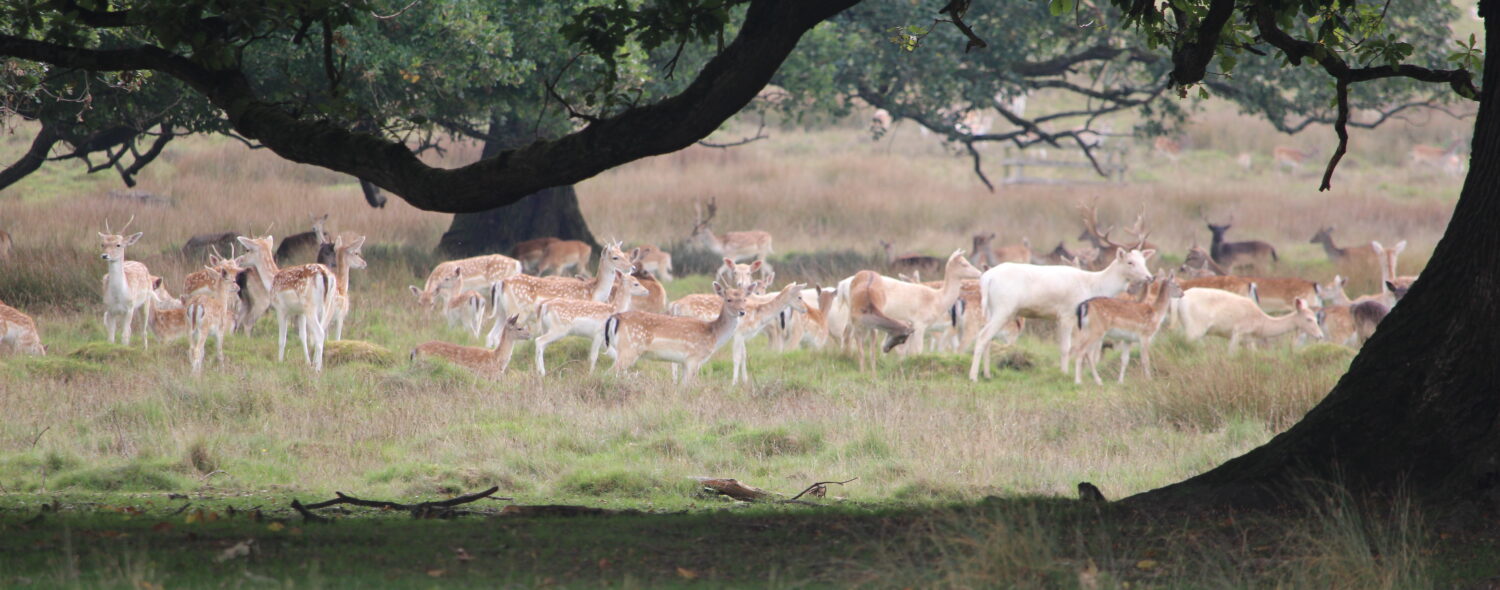
Venison has been in the news a lot recently, and with good reason. With deer numbers out of balance across the UK, and more people becoming reliant on emergency food provision, wild venison provides a lean, widely available alternative to farmed meat.
In Sussex, fallow deer numbers have been found to be higher than ideal. Fallow are not a native breed of deer, but were introduced by the Romans, and again by the Normans, and have since naturalised. As deer hunting became less of a common past time, these once captive animals broke out of their enclosures and have proven to be very clever and successful, outcompeting native breeds in many areas.
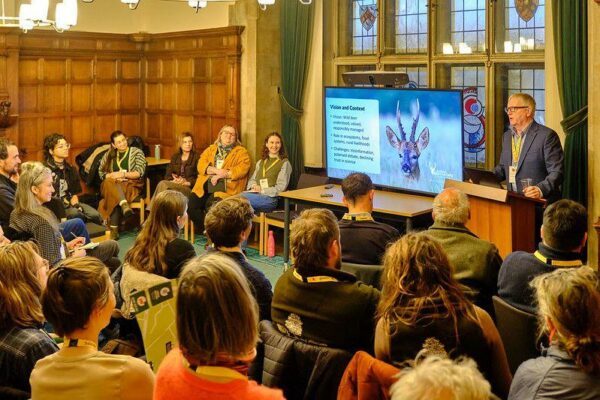
The Land Use Plus team kicked off 2026 with a well-received panel about venison at the Oxford Real Farming Conference. The British Deer Society CEO, David McAuley laid out the tensions around deer numbers and habitat recovery, and how intelligent, monitored culling could help keep deer and forests healthy.
SJ Hunt from the Country Food Trust shared her learnings around creating shelf stable venison meals to be used in food banks and pantries, providing healthy protein to those in need.
We were delighted to share the learnings from our own habitat recovery focused meat box scheme, Sussex Grazed, alongside those of Plumpton College who trialled venison alternatives in their canteen. It was particularly exciting to see this talk get picked but by both The Times and the BBC, furthering a more nuanced conversation around what “good” meat looks like.
The Sussex Grazed project, which was originally funded by Changing Chalk and concentrated on conservation grazing to restore native chalk grasslands, expanded last year to include venison from deer culled for woodland restoration. Funded through Fair Game, and in collaboration with the Sussex Woods project, we have worked to help local deer managers sell direct to the public.
This direct sales approach allows the customer to find out more about where their food comes from and how the deer are managed. Some were surprised to discover that the best way to manage deer populations is to target does and not stags (females, not males), rather different from our typical idea of deer hunting.
Outside the Food Partnership, the Land Use Plus team have been working with local supplier Chefs Farms on procurement, making sustainable meat accessible to a wider market. We are delighted to say that Little Tums, a local nursery catering company, now includes wild venison on their menu. Read our case study here.
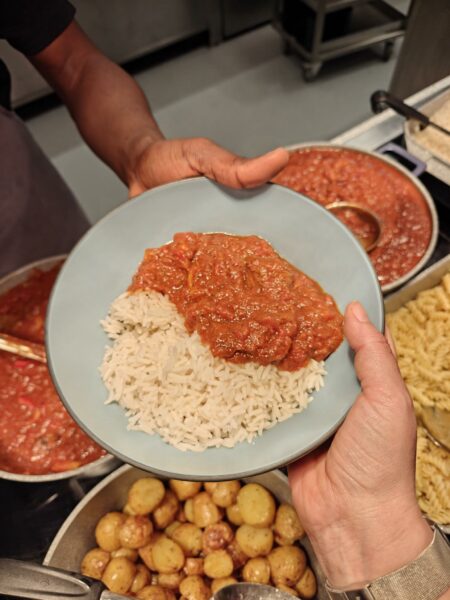
We were very pleased to be invited to the University of Sussex this afternoon to celebrate the inclusion of wild South Downs venison on their Sussex Saver menu, created by their catering partners, Chartwells Universities.
Sandra Juan Delgado, Social Impact and Sustainability Manager for Chartwells Universities said:
“Transitioning from beef to venison is an important step toward more sustainable and ethically-sourced food systems. I’m enthusiastic about this initiative because it makes it easier for our campus community to adopt lower‑impact diets without the sense of restriction that often holds people back from making change.”
A delicious venison goulash was served up to students and staff for only £3.75, and Chartwells Universities are looking forward to working with Chef’s Farm in the new academic year.
The new meat went down well with students, with one saying: “It’s a mental leap – I didn’t think I liked venison but it was delicious and would happily eat it again.”
If you’re interested in buying venison for your table, check out the Sussex Grazed shop.
Meet the Sussex Grazed Deer Managers:
Ben Marks runs The Deer Project and is an independent Deer Stalker based in Graffham, near Petworth, West Sussex. He shoots seasonal wild deer and butchers them in his own facility into a large variety of cuts & BBQ packs, as well as processing his own sausages & burgers. Ben was the first deer stalker we worked with and was also the first listed on the Wild Venison Network.
The Simsons stalk as a family at weekends and in the early mornings. They believe in a field to fork approach, teaching their teen girls how to inspect the animals for infection and disease as part of the process, before taking the carcasses to their home larder in preparation for butchery.
Apex Woodland & Wildlife Services
Darren and Helen are a husband-and-wife team based in Wilmington, bringing with them an impressive 70 years of combined Army service. Long-time lovers of the outdoors, they have spent decades managing deer across the South Downs and High Weald and continue to inspire and train others to practice safe and professional deer management.
Stephen Parr
Stephen is our newest deer manager, and travels from his home in Dorset to shoot on a patch of woodland near Uckfield which he has been managing for over 20 years. Limiting shooting days to ten days per month, Stephen works to allow deer to behave naturally and not feel too pressured.