
We’re kicking off the new year by giving you an update on one of our most ambitious projects ever. Thank you to our talented comms volunteer, Fiona McLelland, for pulling together this blog about our progress.
Four months after the launch of our Food Use Places Project, all 16 partner organisations now have plans in place to change our relationship with food waste. Each one has set its own four-year goals, all focused on one common cause. That’s to empower residents around Brighton, Hove and East Sussex to take action on food use, and reduce its impact on climate change.
We’ll be sharing our success stories as we go, to show you what’s possible when the community comes together – and hopefully inspire you to keep finding new ways to make small everyday changes that can make a big difference.
FOur four-year vision
Thanks to a grant from The National Lottery’s Climate Action Fund, we have funding to pool the talents and resources of a diverse range of community-rooted groups. We have a youth project, a sports club, an older person’s café, surplus food projects and community gardens, among others, working together over the next four years to bring about positive change.
“To make action happen, we need to talk about food and climate in the places that people are already involved,” says Vic Borrill, Director, Brighton & Hove Food Partnership. “Our ambition is to drive a change in mindset, so that people stop thinking of food waste as a problem; and start thinking of it as part of the solution to climate change.
“If we can take an earlier action, food no longer becomes waste. We can divert the issue and create a successful outcome: less loneliness; less hunger; more reuse; less impact on the environment.”

Sowing the seeds of change
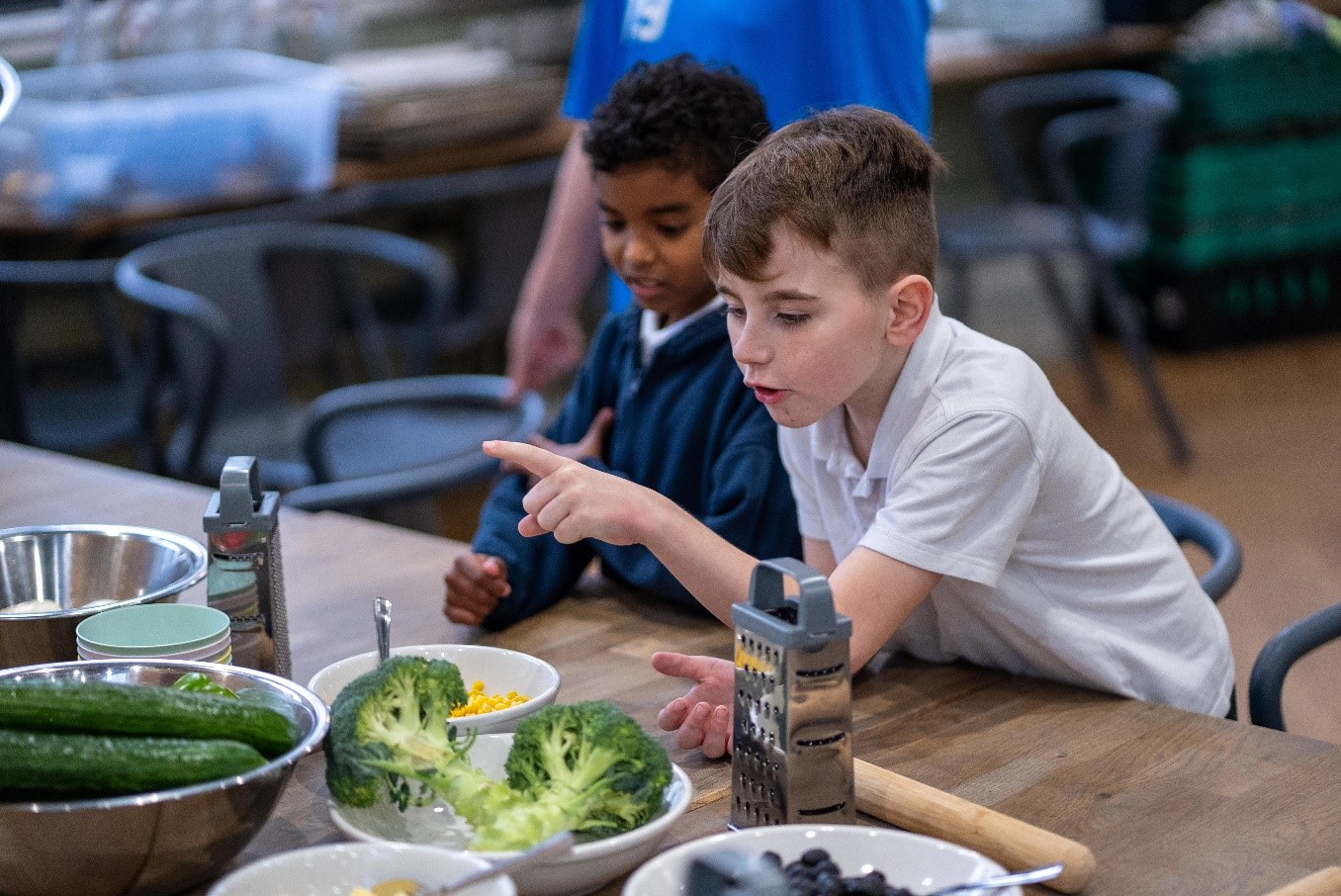
The mindset change will begin at events like community workshops and cookery or shared meal sessions.
Just before Christmas, we ran a successful Food Use Day at our Community Kitchen on Queens Road, Brighton. We hold these events regularly to use up fresh food in the Kitchen that’s nearing its end of life.
We invite people who have come to some of our other courses, many of whom are on low incomes, living with dementia, or have physical or mental health conditions.
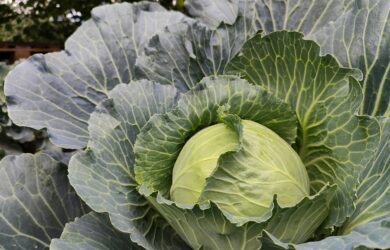
Our cookery leader Charlotte welcomed the group to the kitchen and ran through the menu of the day: ‘any-roast’ veg and lentil soup, leftover veg curry with yoghurt flatbreads, and fluffy carrot cake muffins. A glut of extremely large cabbages was also transformed into a red onion and cabbage slaw, a fried cabbage side and a quick cabbage pickle to take away as a gift.
“We want to give you the confidence to look in the fridge and think ‘yep, I can make something out of that’, rather than letting things rot and throw them away,” explained Charlotte.
She gave a quick tip about mouldy items you might find in the fridge: cut off the mould on cakes, cheese and bread and use the rest; but throw any mouldy protein-heavy food away as it’s unsafe to eat. Charlotte also reminded participants to feel confident using the ‘sniff-test’ for low-risk foods like milk.
Sharing resources
The Food Use Places Project is starting to build stronger connections between the organisations that run “make a meal, share a meal” events, and the logistics charities that intercept surplus food from farms and supermarkets.
The aim is to be more efficient and more co-ordinated when it comes to picking up food that needs using quickly; and getting it to projects that can transform it into meals for local people, often with the support of dedicated volunteers. But even with the great work that’s happening to prevent waste, the best food warriors in the world will still end up with some waste.
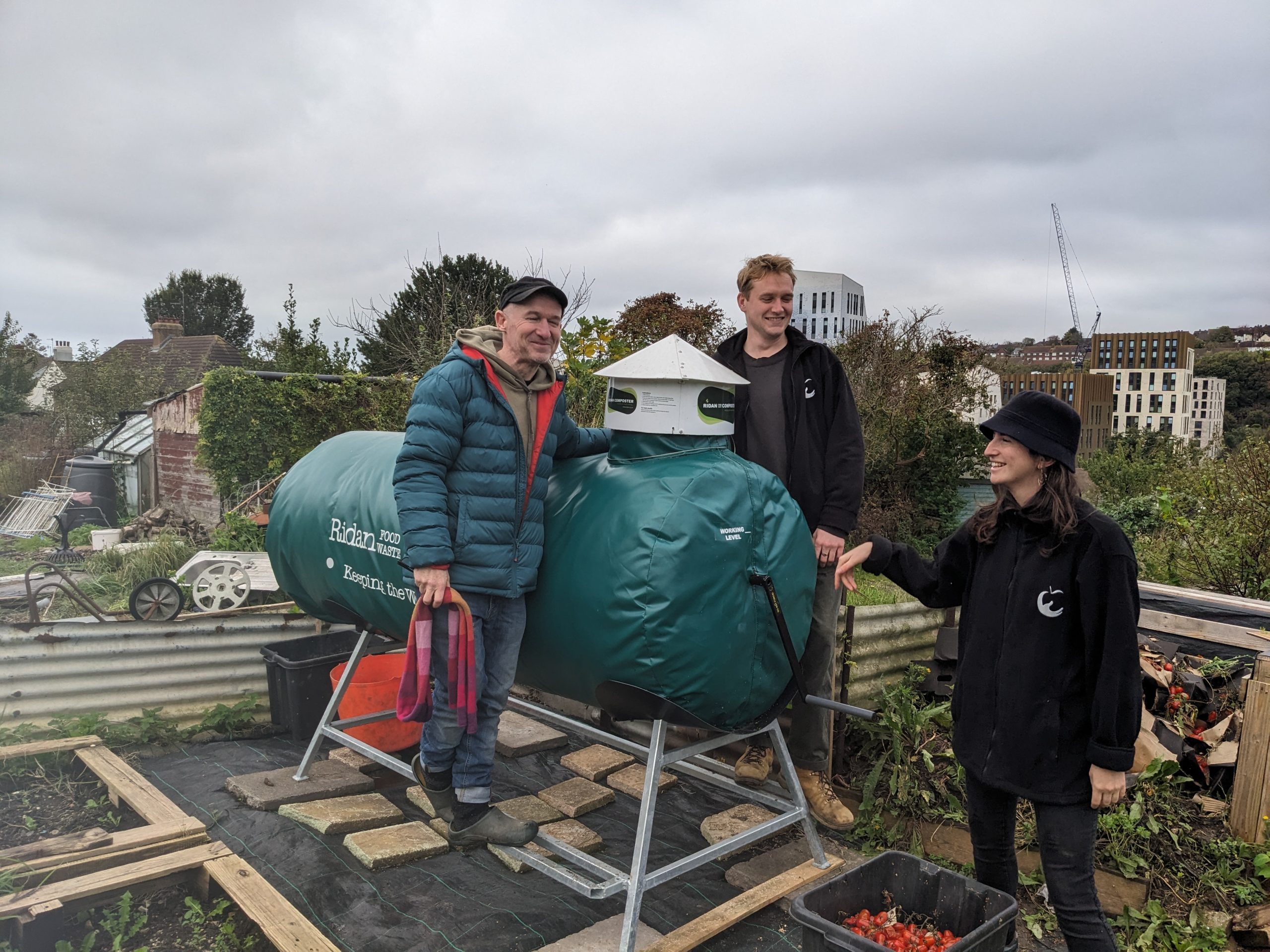
Through the Food Use Places Project, two local organisations have joined forces to divert 3,900kg of waste food each year away from the wheelie bin and onto the compost heap.
FareShare Sussex & Surrey redistributes surplus food to organisations across the two counties. But inevitably, when dealing with food so close to end of life, they do experience some waste.
Nurture through Nature is a small, award-winning charity that’s helping alleviate food poverty, by growing vegetables for food banks and community centres. Through the project, Nurture for Nature now has a fantastic new Ridan Composter that’s turning up to seven wheelie bins of food waste from FareShare into compost every week.
This is an example of changing food waste into a food use as the composter provides the soil at the allotments with a nutrient-dense compost – whilst diverting up to 3,900kg of food waste annually from incineration.
Through the Food Use Places project, we continue to set up local composting solutions at community projects to reduce the miles food waste must travel to be processed as waste, whilst also building stronger communities.
Keep your eye out for our next update on Food Use Places Project. We’ll bring you more stories about how a little co-operation and co-ordination can help make surplus food part of the solution, not the problem.