It’s National Allotment Week, so to celebrate Brighton & Hove’s allotment sites, we’ve asked Gemma Ward – Brighton & Hove Council’s Allotments Officer – to write an insight into what allotments do for our local community.
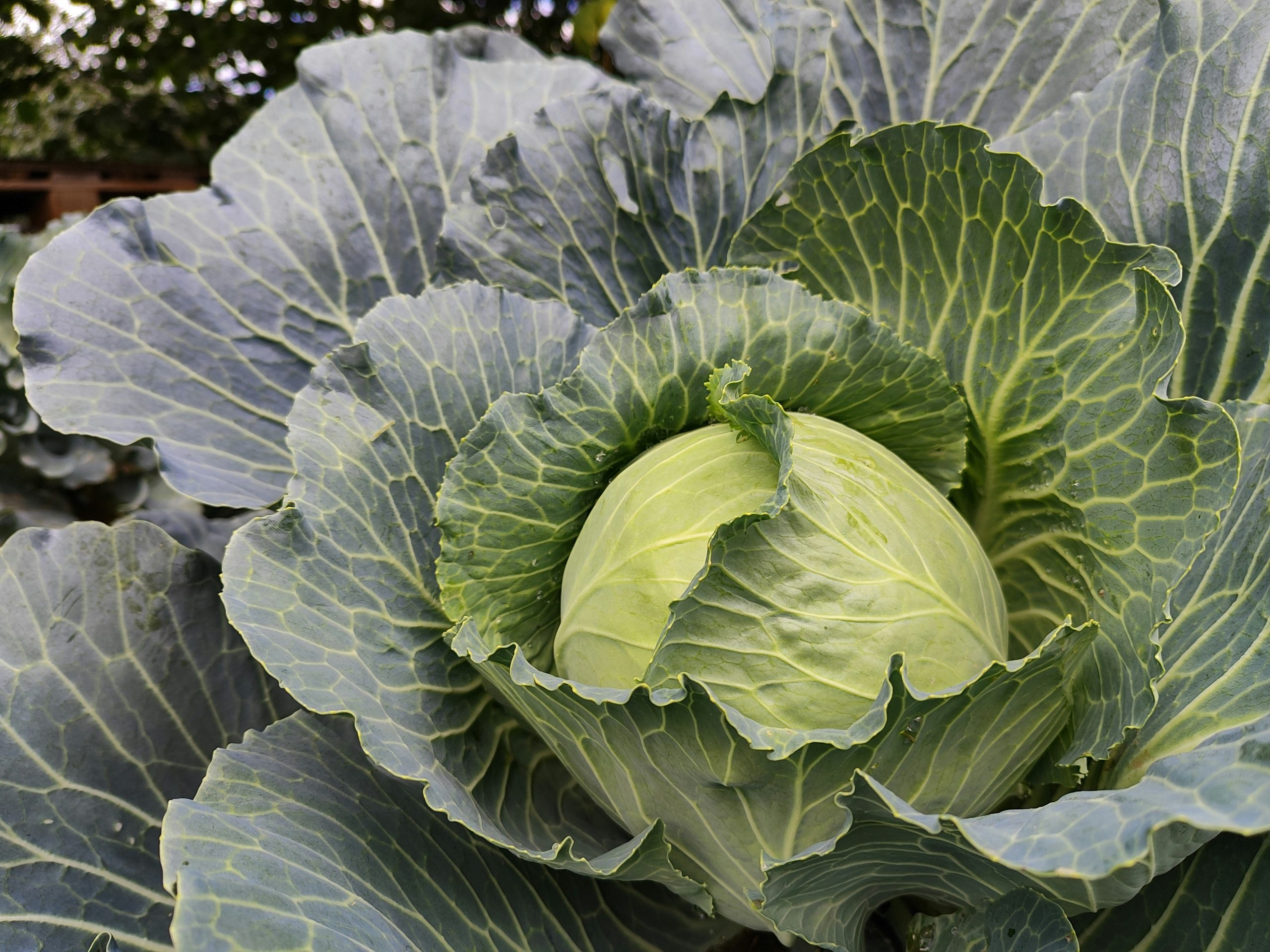
Allotments are often thought of as places where individuals grow fruit and vegetables, but they are also thriving community spaces that support wellbeing, education, biodiversity and social connection.
Across the city, community plots provide opportunities for people to grow food collectively, learn new skills and spend time outdoors in supportive environments. These include projects run by organisations such as the Macmillan Horizon Centre, which uses gardening as a tool to support people living with and beyond cancer, and the Phoenix Community Garden, where volunteers come together to grow food, build confidence and develop horticultural skills.
Alongside these are numerous smaller community plots managed by local groups, volunteers and associations, each contributing to the diversity and vibrancy of allotment life.
Bringing Nature and Community Together
One particularly inspiring example is the Growing Hollingdean Forest Garden, where volunteers are creating a productive landscape based on forest garden principles. By combining fruit and nut trees, perennial food crops, wildlife-friendly planting and community participation, the project demonstrates how food production, nature recovery and community engagement can work hand in hand.
Many sites also offer ways for new growers to get involved without the commitment of a full allotment plot. The Starter Bed Schemes at Craven Vale, Roedale Valley and The Weald, run by dedicated volunteers and local growing communities, provide manageable growing spaces and practical support for people taking their first steps into food growing.
These schemes help people develop skills, gain confidence and become part of established allotment communities.
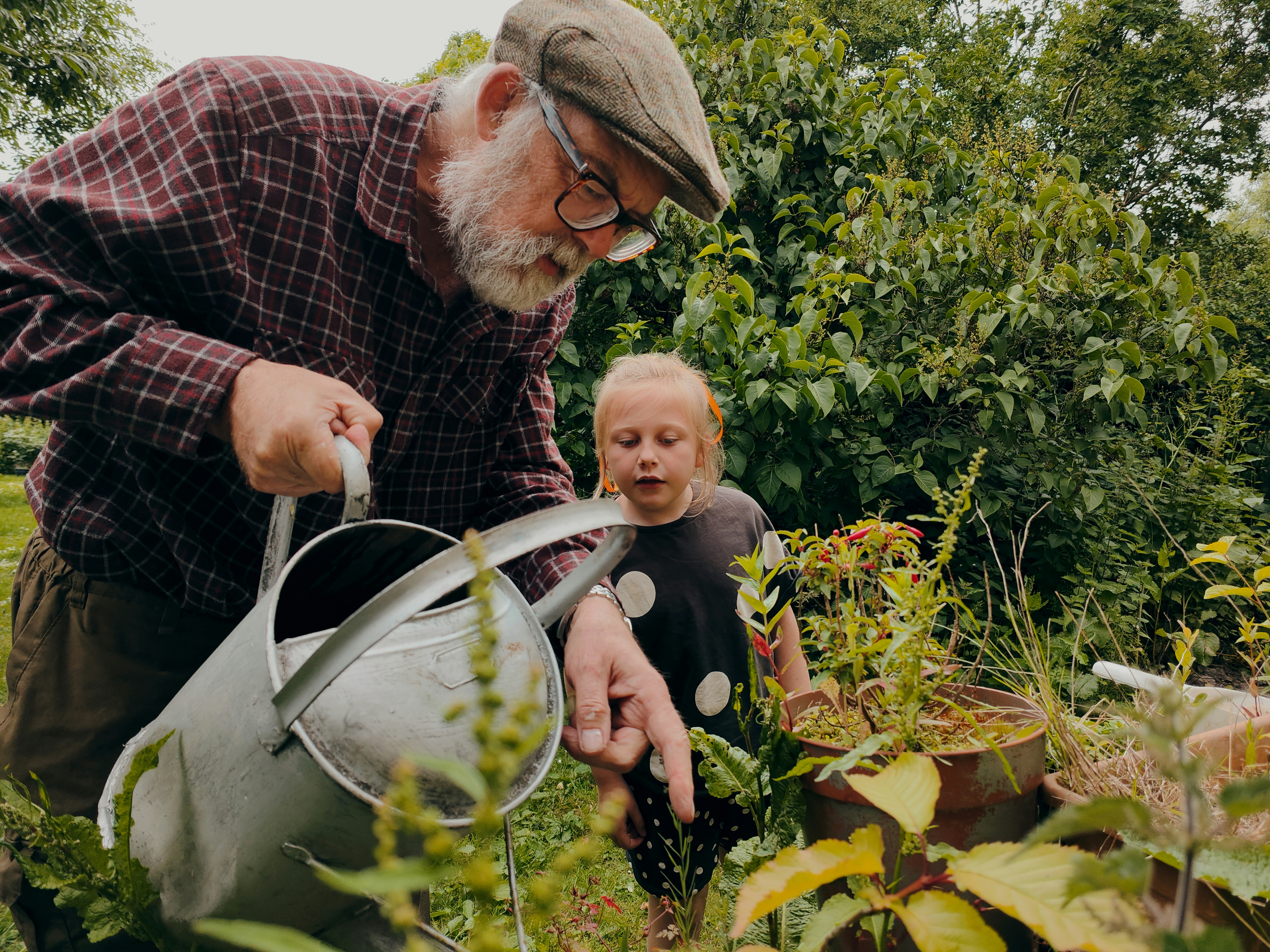
“Our allotment sites are living examples of what can be achieved when communities come together around food growing. From starter beds and community plots to biodiversity projects and school gardens, these spaces support people’s wellbeing, help wildlife flourish and create opportunities for learning, volunteering and connection across the city.”
The city’s allotment sites are also important places of learning. School and youth growing projects give children hands-on experience of growing food, understanding seasonal cycles and exploring the natural world. These opportunities help young people develop practical skills and a lifelong appreciation of healthy food, wildlife and the environment.
Supporting Biodiversity Across the City
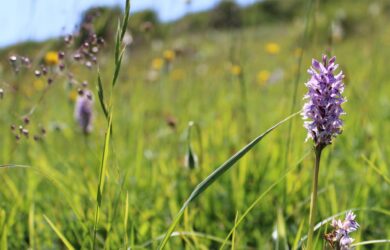
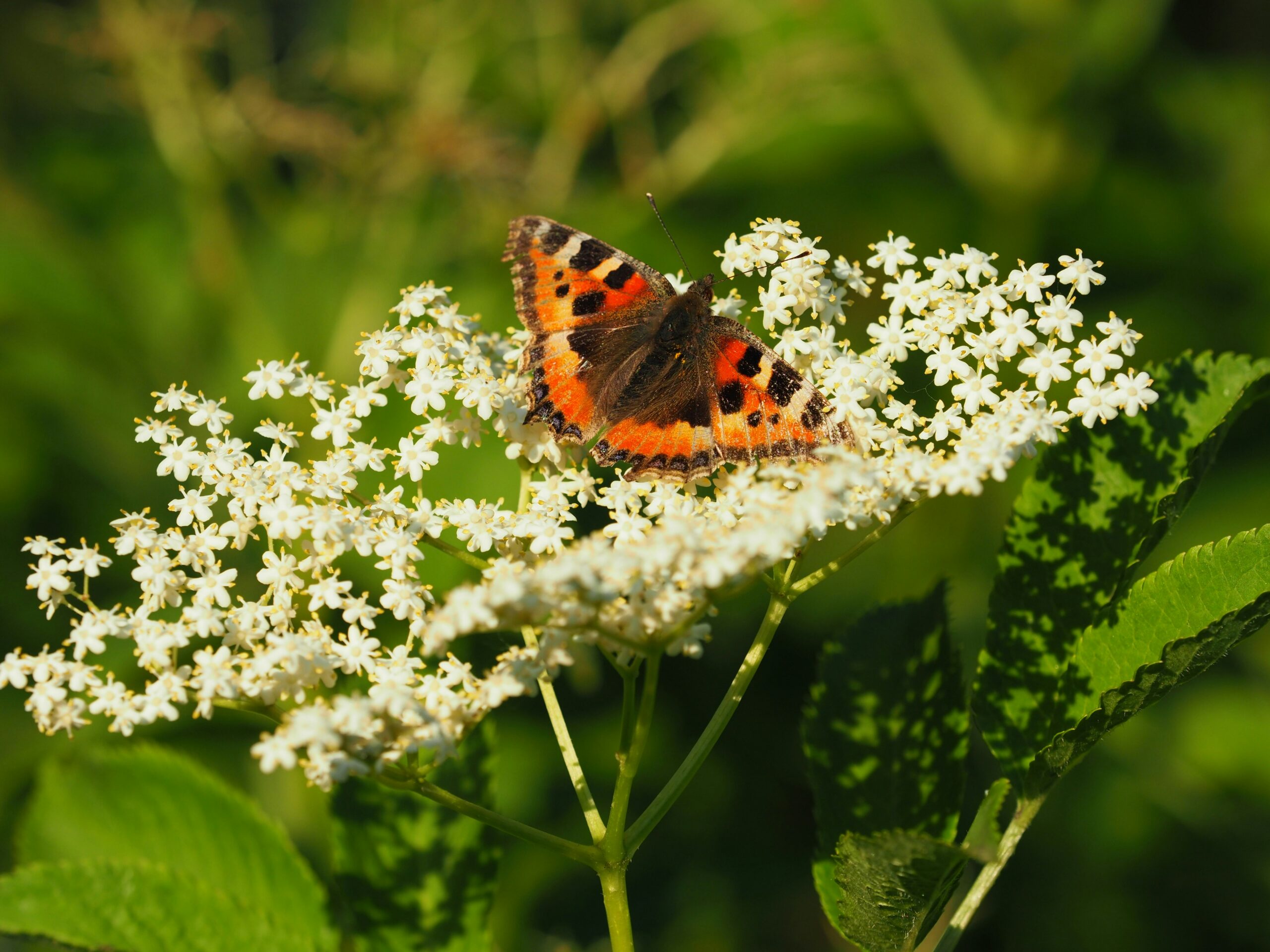
Beyond food production, allotment holders make a significant contribution to nature recovery across the city. Many sites contain orchards, ponds, wildflower areas and pollinator-friendly planting created and maintained by volunteers.
Plot holders have also supported biodiversity projects and research led by the University of Sussex, helping researchers better understand how urban green spaces can support pollinators and other wildlife. Through citizen science, habitat creation and wildlife-friendly gardening practices, allotment communities play an important role in enhancing biodiversity across Brighton & Hove.
Powered by Volunteers and Community Organisations
Much of this work is made possible by the city’s allotment associations and charities. Through fundraising, grant applications, volunteering and community events, they invest in site improvements, support educational projects and create opportunities for wider participation. From plant sales and open days to infrastructure projects and community celebrations, these organisations contribute countless hours to ensuring allotment sites remain welcoming and accessible spaces for all.
Together, these initiatives show that allotment sites are about far more than individual plots. They are places where people learn, volunteer, support one another, connect with nature and contribute to a healthier, more sustainable city.
Through the efforts of tenants, volunteers, community groups, charities, schools and partner organisations, Brighton & Hove’s allotments continue to grow not only food, but stronger communities as well.