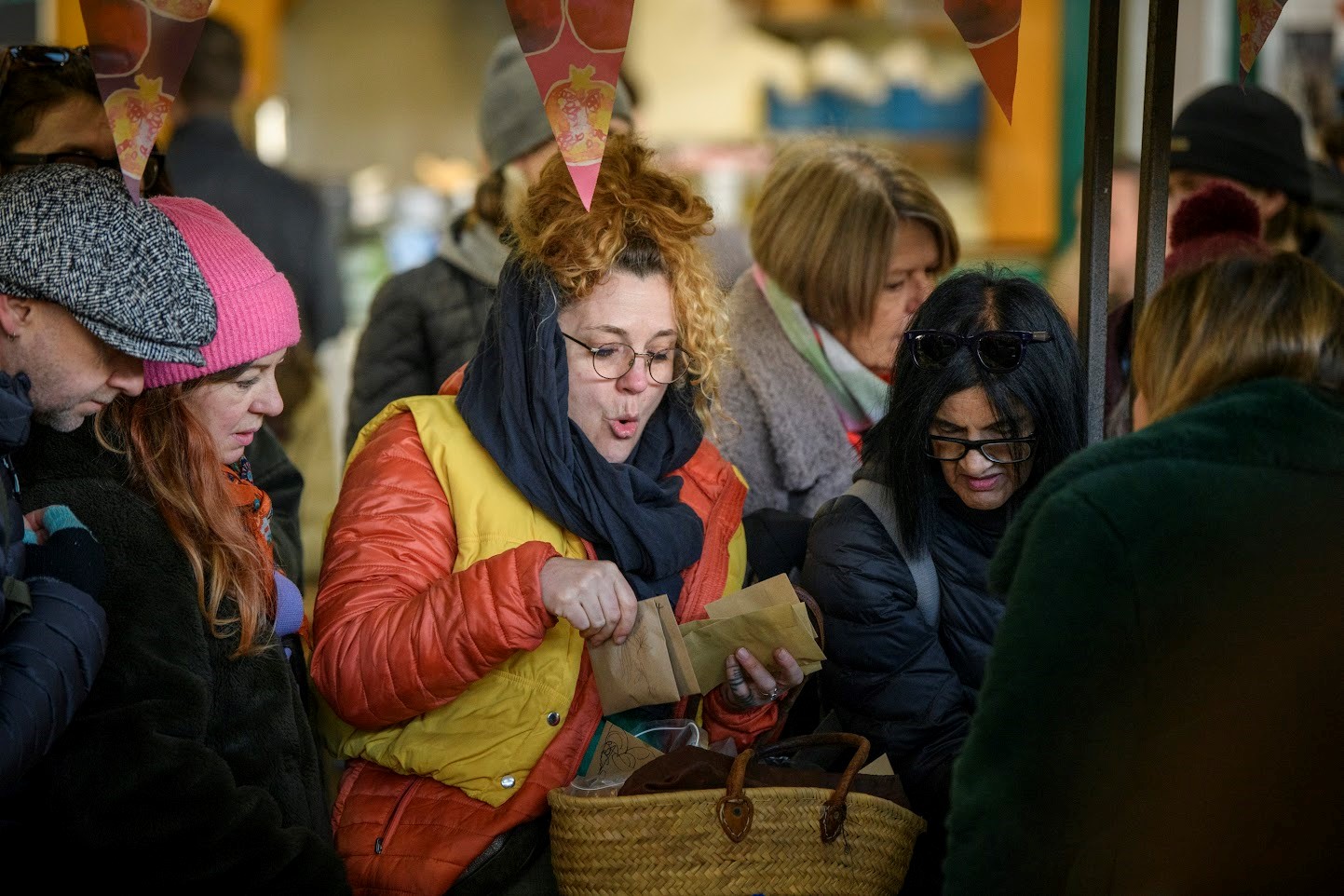
Brighton’s abundant green fingered community started this year with the annual Seedy Sunday seed swap in February, which was hosted by us at the Brighton & Hove Food Partnership for the first time. It was a busy, beautiful, bustling day where the weather was kind and the community even kinder (a massive, heartfelt thank you to all our committed volunteers).
Seedy Sunday has been going in Brighton for 22 years, bringing together seasoned gardeners, beginners, and everyone in between for the UK’s largest community seed swap event. Anyone is welcome to come along, and if you don’t have seeds to swap you can make a donation.
But what if you’d like to gather some seeds, but don’t know how? Watch a video from aficionado Charles Dowding, or keep reading.
Here are our top tips for seed saving success
1. Timing is key
You can save seeds from all kinds of plants: from trees to shrubs, from annuals to perennials, as well as bulbs, aquatic plants, vegetables and herbs. During ripening and drying on the plant, the seeds prepare for dormancy by converting sugars to more stable fats and starch. After that they can be safely dried and stored.
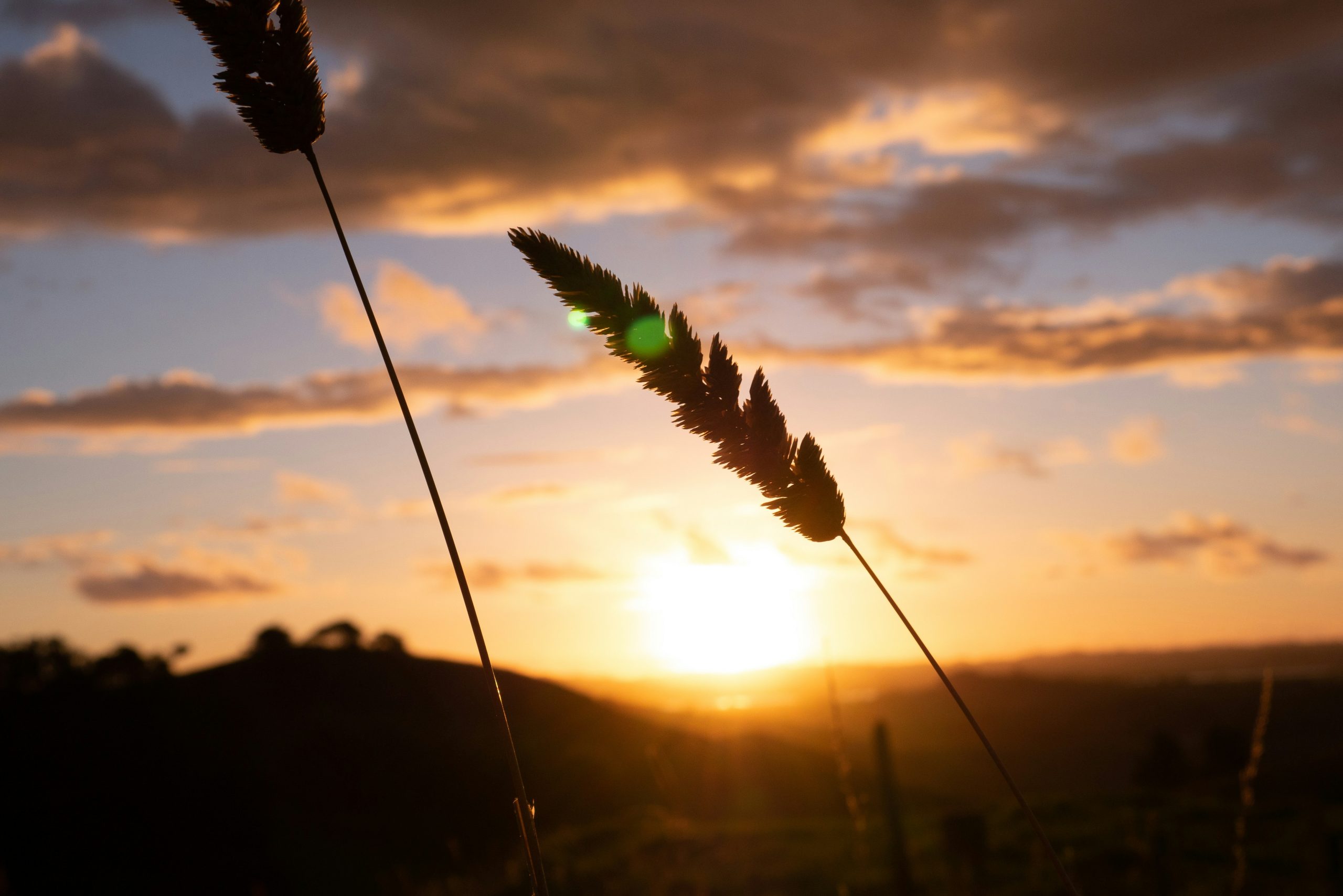
You need to be watchful for when seedheads ripen so they don’t simply open and disperse – as a rough guide can be up to two months after flowering. Collect your seeds on a dry day as soon as the seed-heads have ripened – you can often tell they’re ready as their colour changes. Pick the seed-heads themselves, either individually on or their stalks. Paper bags are great for collecting seeds in.
2. Easy wins and no gos
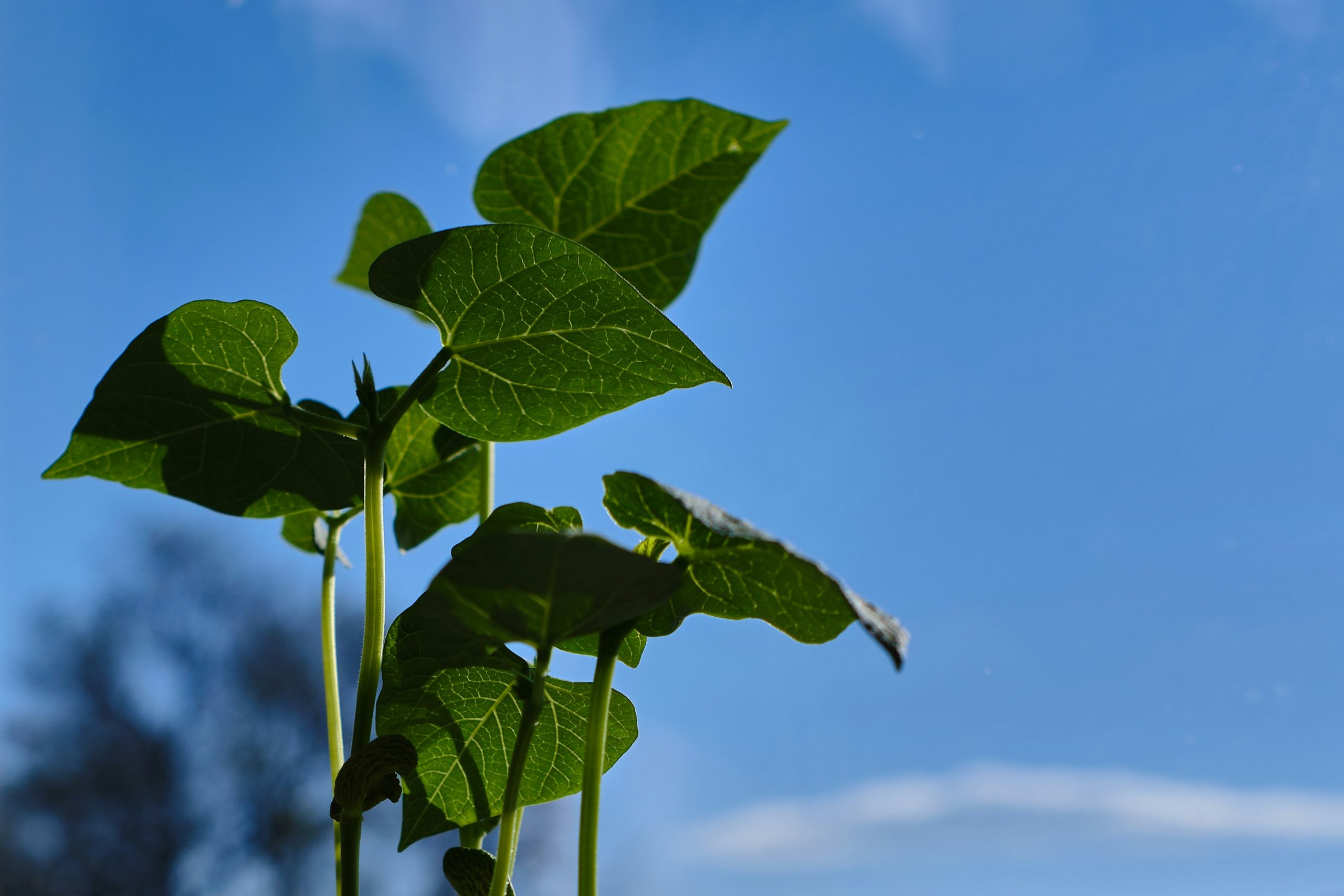
If you’re seed saving for the first time, opt for some easy wins: beans and peas just need to be dried and stored well.
As well as easy wins, there are also no-gos: avoid saving squash, pumpkins, cucumbers and family, as they cross-fertilise far too easily for a predictable crop.
Seedy Sunday especially celebrates heirloom seeds – traditional varieties of seeds that have been passed down through generations – because hybrid plants and those from F1 seeds you buy at the garden centre or supermarket are likely to lead to disappointment.
3. Save seeds from your healthiest plants
Prioritise saving seeds from your biggest and best plants, as these have the best genetic chance of creating big and healthy plants from their seeds!
While you’re fine to save seeds from just a few plants, keeping the genetic pool larger is desireable.
4. Drying your seeds
First leave your seed pods, cones or capsules to dry on a warm windowsill or in an airing cupboard, so that the seeds can be more easily extracted.
Make sure your seeds are clean – remove any chaff and unviable seeds (broad beans should be inspected for any holes, you can even store them in the freezer after drying to kill any possible insects). Dry your seeds in a shady, airy and dry spot (if you’re able to measure humidity, we’re looking for 20-30%).
Drying takes a few weeks, relative to the size of your seeds.
5. Storing your seeds
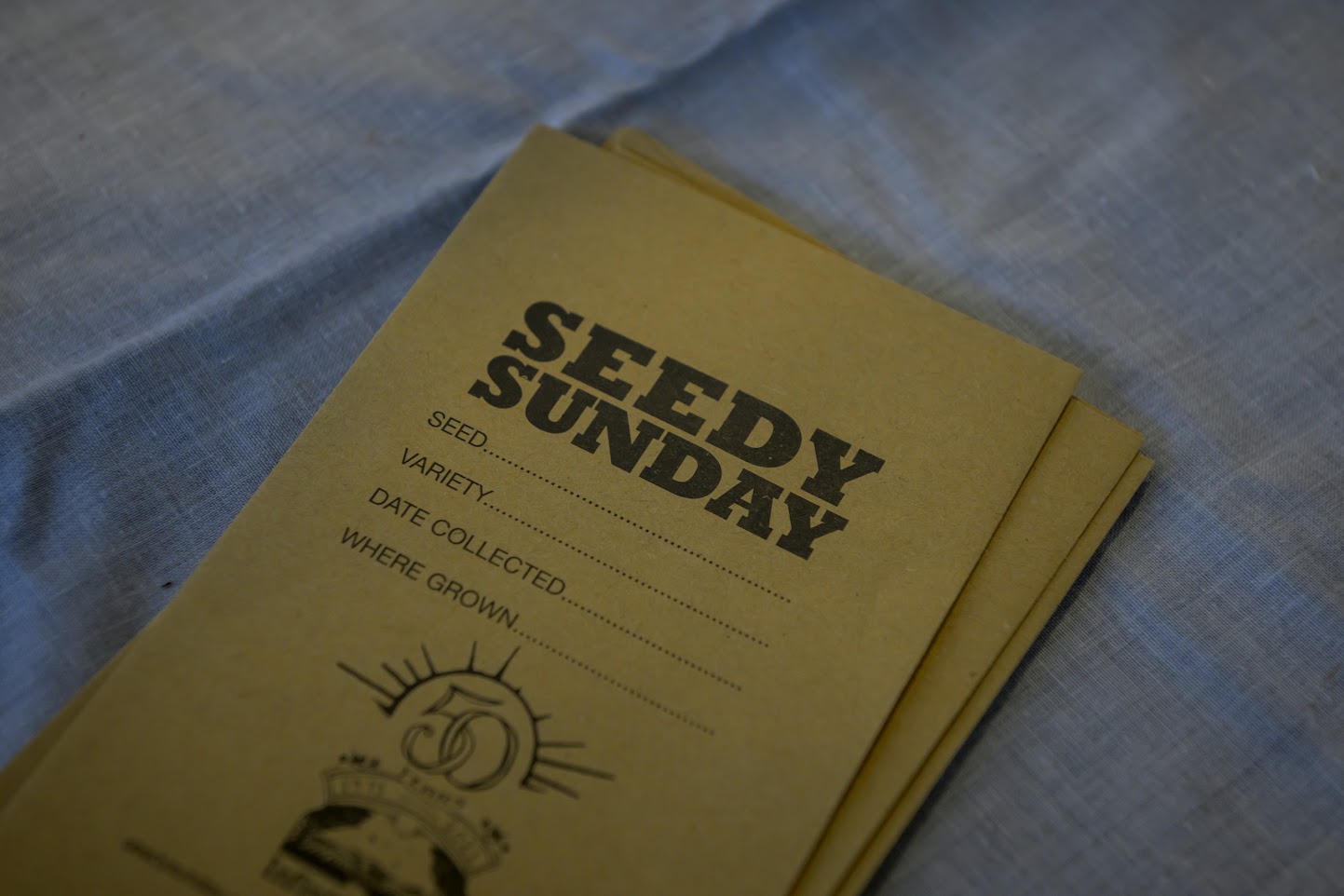
It’s worth storing most seeds for a more suitable time of year to sew. Always save more seeds than you think you’ll need. Put your dry seeds in a paper packet (Pop down to Infinity Foods if you’d like some Seedy Sunday ones).
As a rough guideline, envelopes contain enough seeds for a small crop, for example a short row of peas, or beans, a square metre of salads
We advise:
- 5 to 10 seeds per pack for tomatoes
- 5 seeds for squashes
- 20 to 25 seeds for peas and beans.
- If you’d like to label the pack for a swap at Seedy Sunday, include the plant’s name (common or Latin), variety (if applicable), year and place of collection. Example: Tomato – Rose de Berne – 2017 – Shoreham-by-sea.
Keep them in a dry, insect-free area with as constant a temperature as you can. The fridge and freezer work well as long as you remember to slowly bring them back to room temperature before sowing.
Some seeds can keep for several years, under favourable conditions, however, some, like parsnips, only keep for a year. Best to use seeds collected this year. Old seeds can always be used for a spot of guerilla gardening.
Find out more about the next Seedy Sunday event.
Photos, in order: Alex Bamford, Katelyn Greer, Irfan Simsar, Alex Bamford