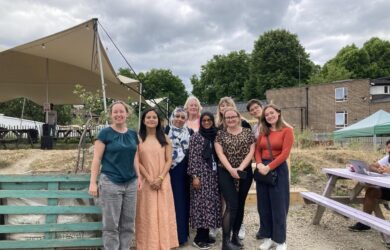

Cailan Magee and the community research team at the Brighton and Hove Food Partnership
The Food Systems Equality Project (FoodSEqual) was a five-year initiative focused on making the food system fairer. Our aim was to co-create healthy, sustainable food systems specifically for people in less affluent communities. By working towards new products, improved supply chains, and fairer policy frameworks, we wanted to ensure that everyone—regardless of their budget—has access to food that is good for them and the planet.
We recruited and trained 12 community researchers—all volunteers or members of the local community shop network. As community researchers, we are uniquely situated to talk about our focus on coproduction. To us, coproduction means working with the community to find out what they actually want and how they want to get there—drawing on the expertise of everyday people. Over the course of the project, we talked to around 300 people in focus groups, workshops, and engagement events to identify the real-life barriers to healthy, sustainable eating in Brighton and Hove.
New Products: Making Chickpeas “Sexy”
One of our primary goals was to help develop products that people actually wanted. During our research, we found that people really enjoy the taste of beans and pulses, but feel they often suffer from a “boring” or old-fashioned reputation. While they are a fantastic, low-cost, and sustainable protein, many participants felt they were too time-consuming to prepare or lacked the inspiration to make them the star of the plate.
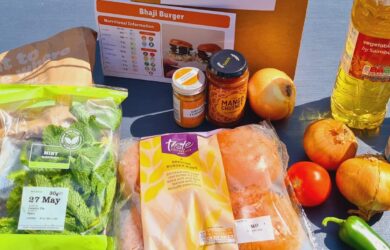
To change this perception, our participants came up with a meal kit—a way to, as one person put it, “make chickpeas sexy.” “If you’ve got a complete meal in a bag every week, that’s one meal where you don’t need to worry ‘what am I going to have?’” we were told. We worked with participants to source their favourite recipes and ensure the kits were neurodivergent-friendly. This meant clear, visual, and easy-to-follow instructions, affordable healthy ingredients, and plenty of adaptability to suit different sensory or dietary needs.

Policy Frameworks: Changing the Food Environment
Our work on policy was a multi-stage process driven by the community. It began with policy workshops where we heard (amongst other things) how unhappy people are with the current state of food advertising; junk food ads are prevalent and can feel very manipulative. Based on these insights, we published a policy brief with the University of Sussex to highlight the need for change.
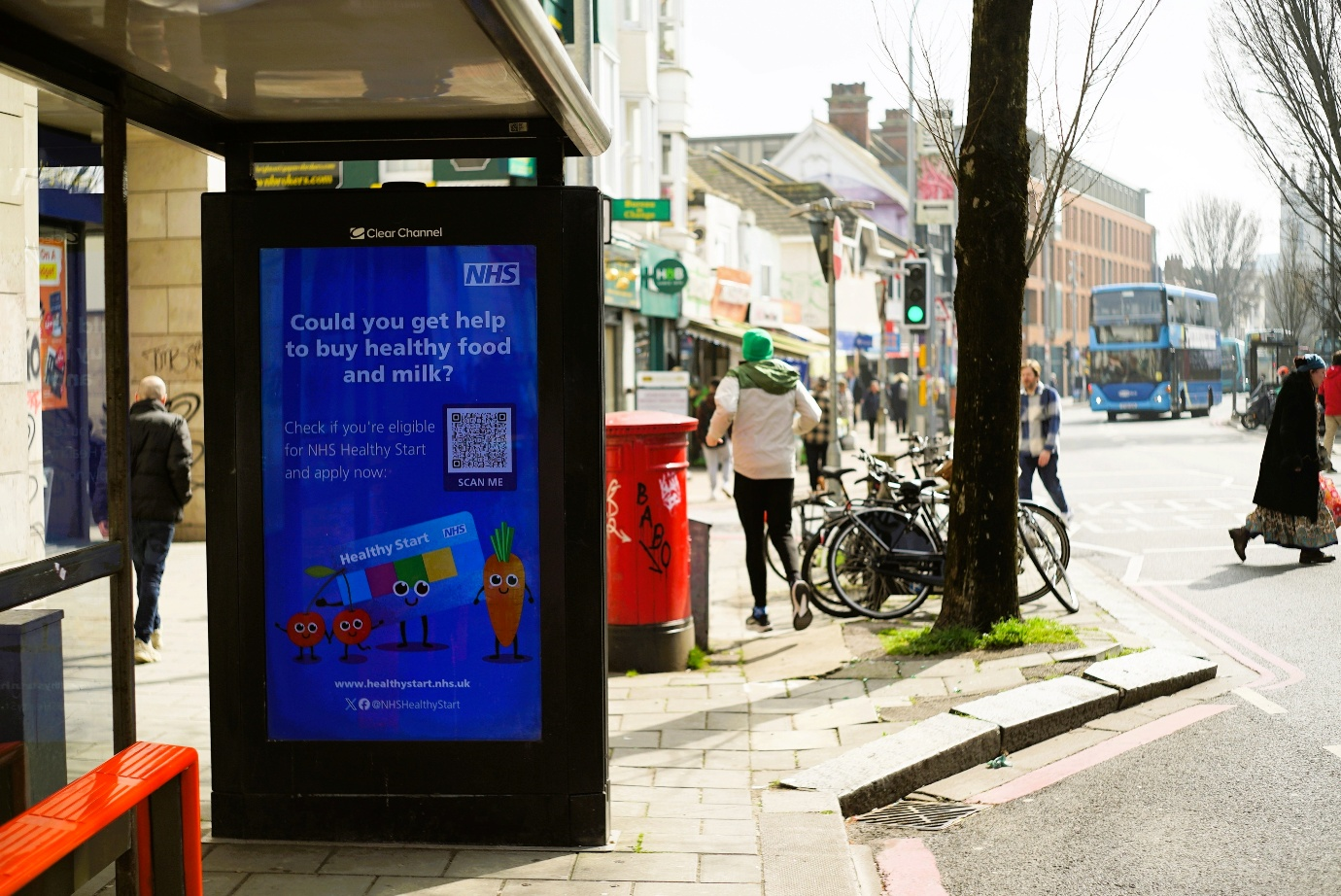
In response to these community concerns, the local council ran a trial advert across transport hubs promoting Healthy Start vouchers. We then worked with academics to codesign a survey to gather feedback from commuters and bus travellers about this change. The response was incredibly positive, and this research resulted in a new bus stop advertising report which has been shared with the council and wider regional working groups. Today, this evidence is being used to strengthen local and national efforts already underway to restrict unhealthy food advertising. You can watch the FoodSEqual policy video to see this process in action.
FoodSEqual policy evaluation report
The Human Impact
One of the positive impacts of the project is the lasting effect it has had on our participants. Our 12 community researchers have gained new skills and confidence that are already being put to use in new roles across the city. Beyond the data, the workshops were a joyful, social experience. As one participant put it:
“It makes you feel that there is love in the community.”
In our experience as community researchers, working with the project has benefited us greatly. It was a powerful way to build confidence, and we felt our work was truly valued. We gained skills and tackled challenges we never thought ourselves capable of.
Project Timeline
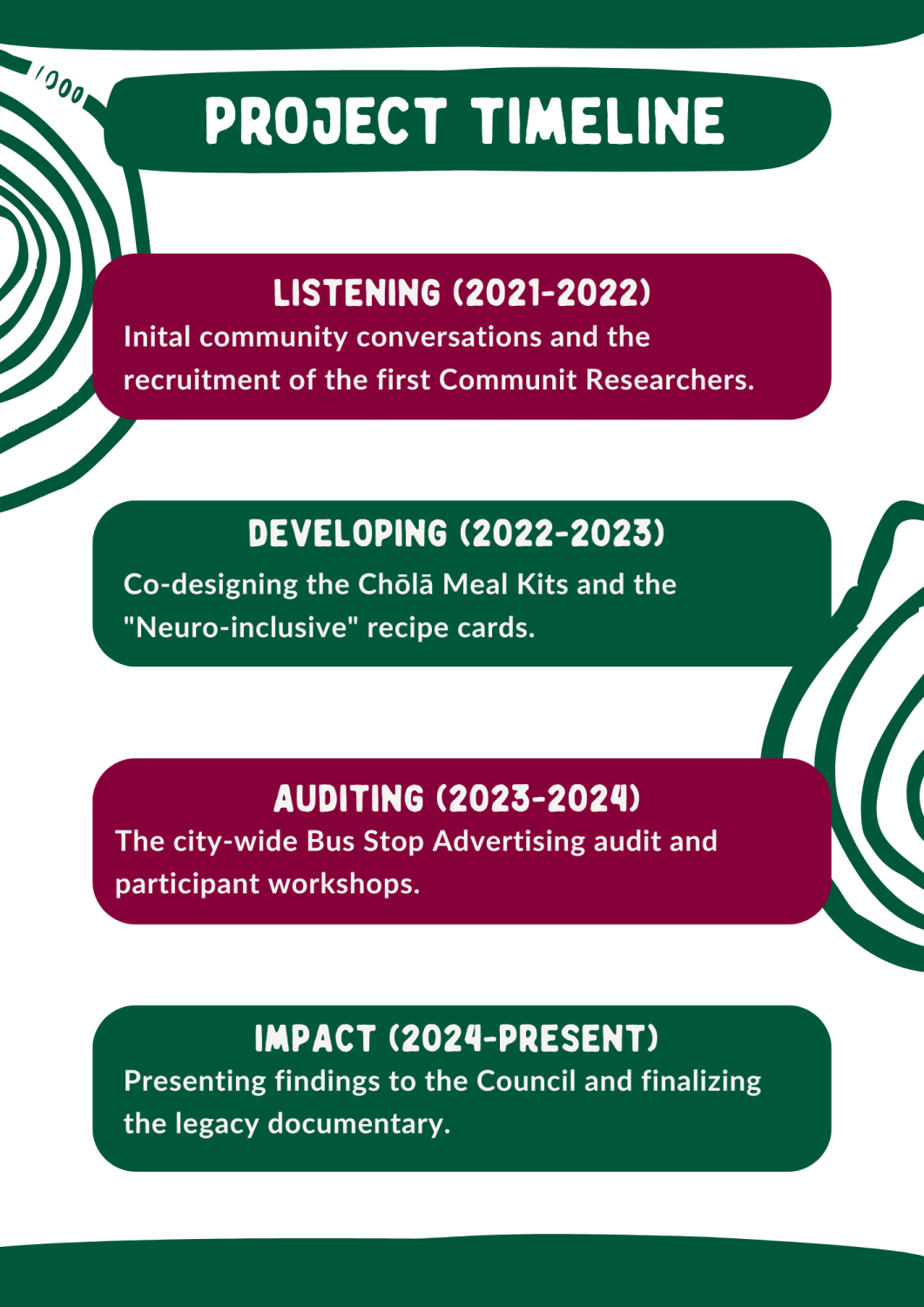
The results of this research will be integrated into academic reports to serve as an evidence base for future research. However, the project’s legacy isn’t just on paper. The Food Partnership intends to continue working with community researchers to help bridge the gap between academics, policymakers, and everyday people from our community.
The work on the meal kits culminated in the production of a toolkit for use in schools or community organisations, featuring resources for people to design their own kits. We also produced a documentary that dives deeper into the project’s journey, which will be published soon!
The most important thing now is to offer one last thank you to each one of our participants throughout the years. None of this would have been possible without their wonderful, honest contributions.