
Welcome to Plastic Free July! This global movement has helped millions reduce single-use plastic waste every day, whether at home, work, school or your local cafe. Small changes will collectively make a huge difference to communities. In the past six years the movement has led to over 12 million tonnes of waste being avoided, and of those 1.7 million tonnes of plastic. This year’s World Environment Day (June 5th) was themed ‘Putting an End to Plastic Pollution’ and had already got us thinking about plastic. We now have the opportunity to put that thinking into practice. While plastic pollution is a huge problem contributing to environmental destruction, it is also one of the easiest to fix, if the right steps are taken. Through mobilisation of communities and awareness of the issue we can begin to implement solutions and rethink the use of plastic.
While much attention is often placed on the ocean and plastic pollution, we can forget that compost and our soil is hugely affected by this too. This has a detrimental impact on farming and the produce we are consuming.
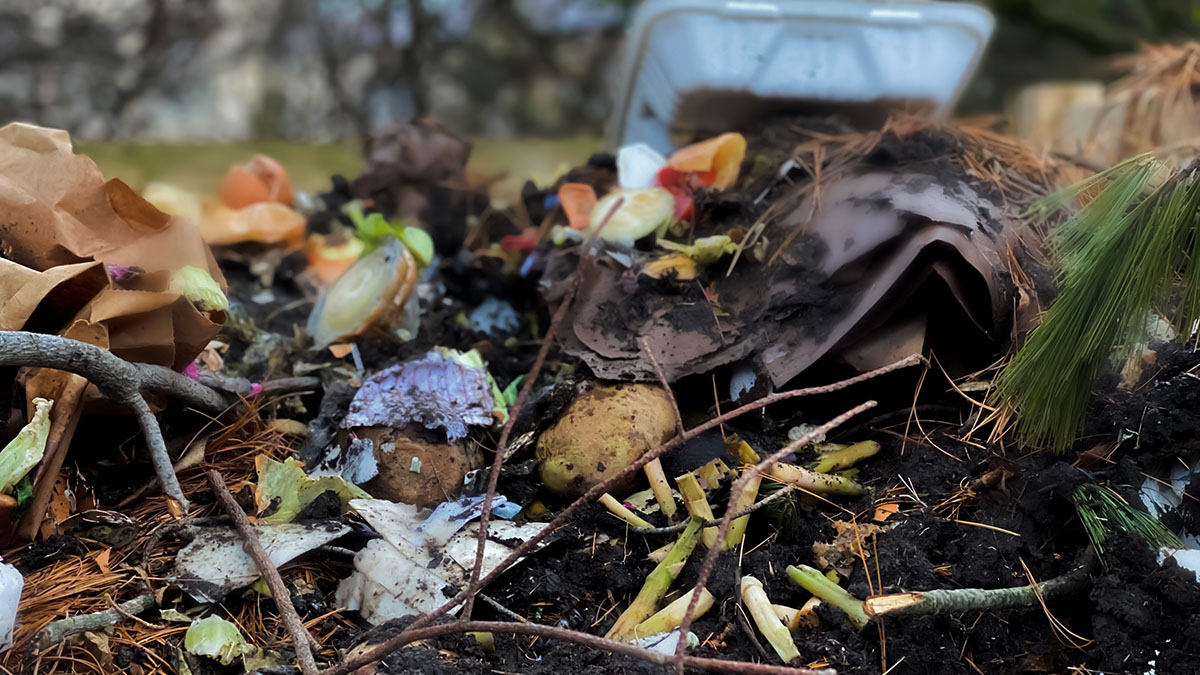
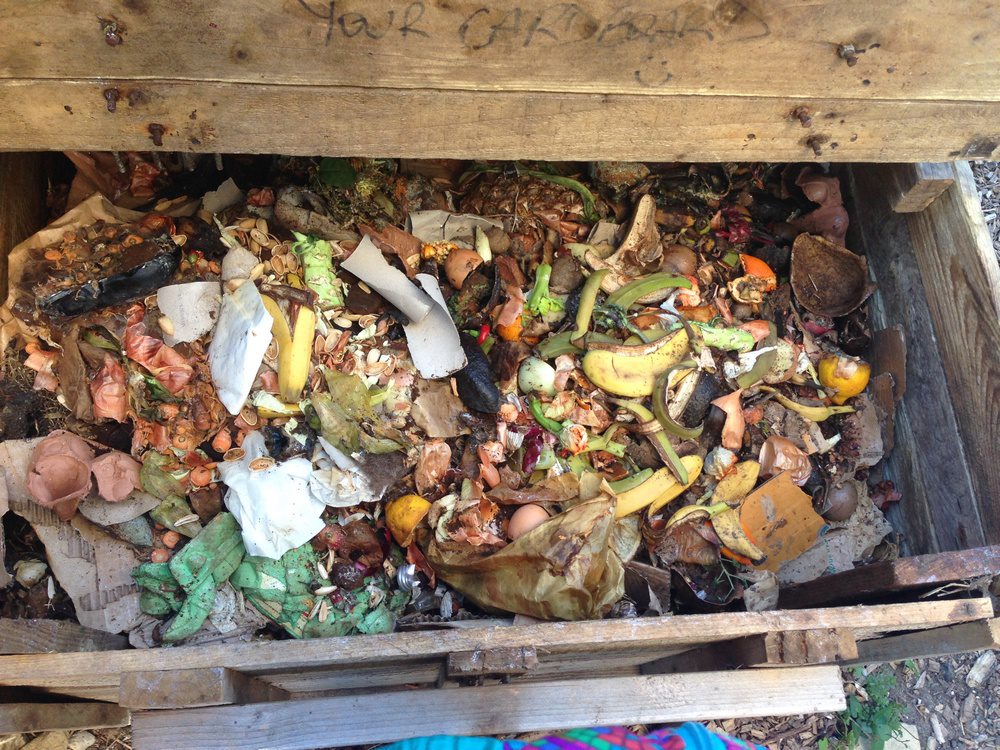
So how does plastic get into our compost?
Local councils collect green waste on behalf of compost sites, from our homes, parks and gardeners. Green waste should have no plastic in it, but it is often accidentally mixed in or scooped up. When your garden waste gets to the compost site, it is picked through by hand to remove any large and visible items, and the rest is shredded. This breaks the plastic into up to 10x as many pieces. The compost is then left for over 12 weeks and then sieved to remove any further plastic; however smaller bits of plastic do fall through the screen into the compost. So, we must aim to prevent plastic from getting into our compost!
There is growing evidence that microplastics are being consumed at different parts of the ecosystem. The University of Sussex and The University of Exeter have researched plastic pollution at the bottom of the food chain. Concluding that, invertebrates are eating plastics, and it is ending up in our soil and being passed onto larger animals. Polyester appears to be the most likely, coming from clothing threads. They have also identified that the chemicals released as plastics break down are equally dangerous when present in soil.
How is this effecting farming the produce we consume?
Often the most polluted compost ends up on our farms because it is being sold in huge quantities to farmers, as it is less desirable to the public and therefore cheaper for farmers to purchase. Plastic pollution of soil in agricultural areas will prevent plants from properly being able to absorb the nutrients they need and reduce their growing capacity. Secondly, plastic waste can obstruct irrigation systems and effect crops accessing necessary water or can cause stagnation. Thirdly, as already mentioned the chemicals released from plastics could threaten the health of humans and animals, if they get into growing plants, making their way up the food chain. Due to the levels of plastic found in our soil across the country it is undoubtable that we are consuming small amounts of plastic in our food which could lead to health issues long term.
So, what is the solution to this issue?
While implementing sieves with tighter gaps could help reduce the amount of plastic getting into soil, this is a slow and expensive process that many companies will not implement. It also increases the cost of the of the soil which consumers don’t want to pay. With the volume of plastic used globally, even with the best technology plastic would still get into our soil. We need establish a safe and acceptable level.
One of the worst contributors to plastic pollution is packaging. Did you know that 51% of food waste is still in its packaging. Environmentalists and agricultural specialists have called for a switch to more sustainable packaging option to reduce the quantity of plastic getting into ecosystems. This is an issue that must be addressed at a personal, local, country and global level. We mustn’t forget that the message within these movements can and should be thought about/ implemented all year round to enable real long-term changes.
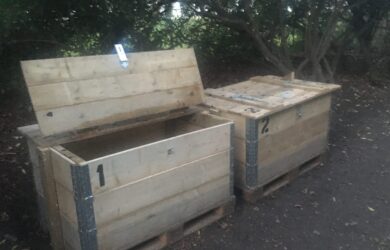
Here are BHFP we have set up a community composting scheme used by over 1200 households. Find out more information about composting here.
What can we do to reduce our plastic use?
Read these articles:
- Top tips for reducing unnecessary plastic and where to purchase from in the Brighton 7 Hove area: Where to buy plastic-free
- Just how difficult Plastic Free July is in reality, and the challenges faced by our team at BHFP: Going plastic-free for a month proves a challenge
- Ideas for how you can reuse plastics to reduce your carbon and resource footprint, highlighting the importance of re-purposing: Can’t choose? Reuse
- Tips on how to properly recycle and avoid unintentionally contaminating your recycling, what wish-cycling is and how to prevent it: Stop being a hopeful recycler!
- The council aim to implement a food waste collection scheme, but we also need more community composting within our local areas, residents’ habits need to change: Food waste collection or community composting? The truth is we need both
- Resources for food businesses to use to share best practice from organisations leasing the way on the issue: Reducing plastics: resources for food businesses
- Leaders from Brighton & Hove food businesses discuss single-use plastics and propose the idea of having a ‘Brighton Cup’ available across multiple venues: City food businesses attend Amex fixture to tackle single-use plastic pollution