
It often seems that we have too much water when yet another rainy day marks the beginning of a great British summer. So why do we need to conserve water? Before we flush the toilet, turn on the tap or put on the washing a vast amount of energy has been used to treat, heat and pump that water into our homes. Conserving water reduces this process. This in turn cuts down on the diversion of water from valuable wildlife habitats and decreases our carbon footprint and bills.
 Vegetables and fruit are, like us, mostly water so it’s impossible for them to survive without this. But rather than rushing for the hosepipe or watering can as soon as the weather turns hot, save the environment and yourself energy by trying some of these water saving tips:
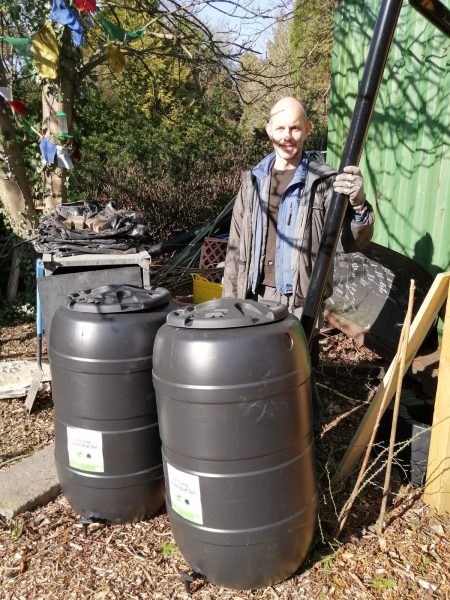
- Collect rainwater in water butts. These are widely available and relatively cheap from The Friday Ad, or online at Brighton Gumtree. D&V Fuels sell a range of recycled water butts at a cheap price.
- Yes you can still have a green lawn. Grey water generated from baths and washing can be used in on flower beds and grass. Grey water can contain toxins so don’t use it on your edibles. Collect it in water butts or you can easily pump your bath water directly into your garden using a simple hand pump, such as the Watergreen drought buster.
- Water in the early morning and the evening. In these cooler conditions moisture will be absorbed more readily. Watering lightly only wets the soil surface so give your plants a good soak. The water will go deeper into the ground and you won’t have to water so much.
- Mulch your plants. Cover the surface of your soil with cardboard, landscape fabric, soil, manure or organic hay to retain moisture.
- Water the plants rather than the soil. Sink a plastic bottle or flower pot next to your plant when planting so water goes directly to the plant roots.
- Grow fruit and vegetable which need less water. Established plants that send down deep roots don’t need as much water as those with roots near the surface. So try growing fruit trees, soft fruit bushes and vegetables such as parsnips, carrots, artichokes, leeks. Many herbs are also best suited to drier conditions such as rosemary, thyme and lavender.
- Containers. Mulch the surface of pots with gravel and put a plate underneath to keep water in. You can also use water retaining gels in the soil and or try a seaweed-based retainer from the Organic Gardening Catalogue.
- Wind can quickly dry plants so create a shelter belt around your plot. A quick barrier can be made from old pallets, netting or Jerusalem artichokes. For long- term protection try planting a hedge and include some tough, edible plants such as flowering quince and sloe berries.
Get even more water saving tips from our friends at Brighton & Hove Organic Gardeners Group and the local Allotment Federation.