The Cultivate EU Project has brought together 10 countries in Europe to learn from each other around food sharing initiatives. In April, our colleagues in Milan organised a tour for us to visit some of their exciting initiatives.
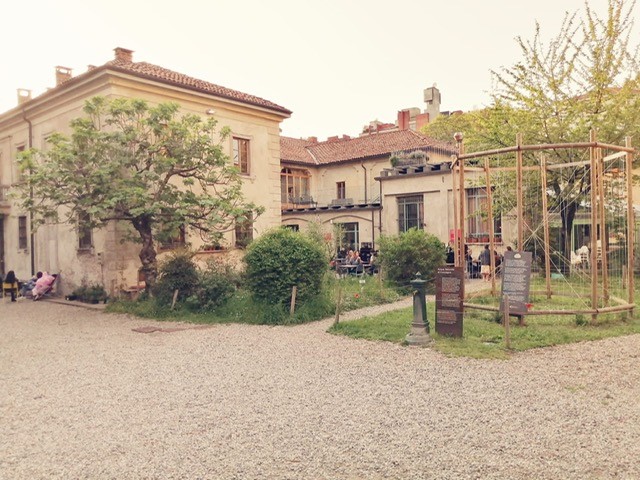
Our first visit was to Cascina Cuccagna, a 17th century farmhouse surrounded by apartment buildings. Rescued from dilapidation by local residents, and now beautifully restored, it is a vibrant community hub, hosting a farmers’ market, community growing spaces, creative workshops, a restaurant, and a food bank. It was bustling with people on the day we visited, with lots to offer the local community, with more ideas such as cookery classes, in the planning.
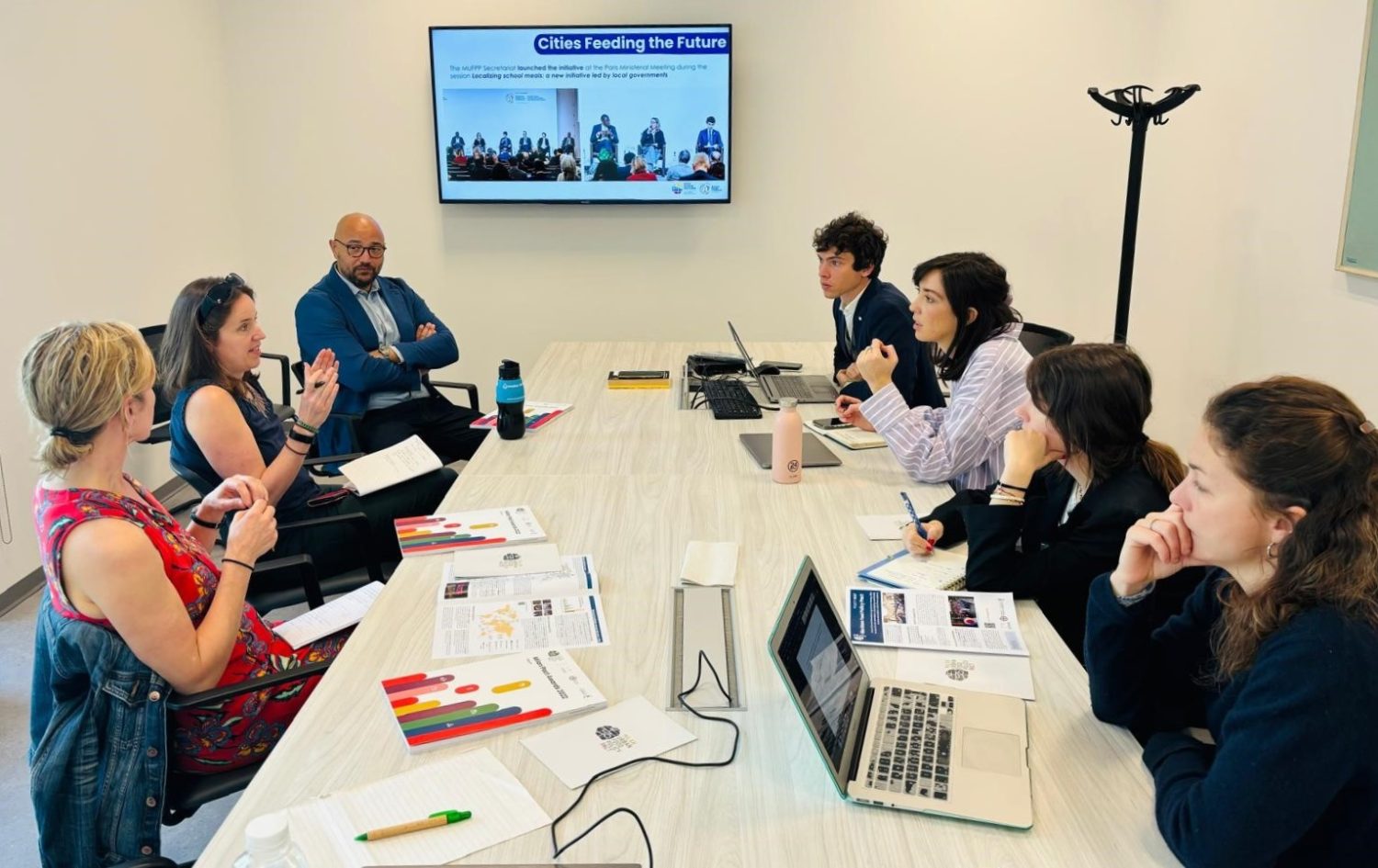
We then went to meet the Milan Urban Food Policy Pact, who are tackling food related issues at an urban level, working in partnership with hundreds of cities worldwide, aiming to create sustainable, inclusive and resilient urban food systems.
They also told us that their school meals programme ensures that every child has a nutritionally balanced school meal, at a low cost, or free for families on low incomes. Bringing in a packed lunch is not an option.
At a time where childhood obesity is at unprecedented levels, ensuring all children have a nutritious and varied daily meal, means children are healthier and more likely to appreciate and choose healthier options later in life.
Our final visit was to ‘Solidando’, a food hub where they receive and distribute surplus food and support people in food insecurity. This hub was one of several, co-ordinated by the municipality, and strategically located in geographic areas around the city. It was partially funded by a Trust, holding a portfolio of property in Milan. An enviable model that redistributed wealth and ensured the food bank was sustainable.

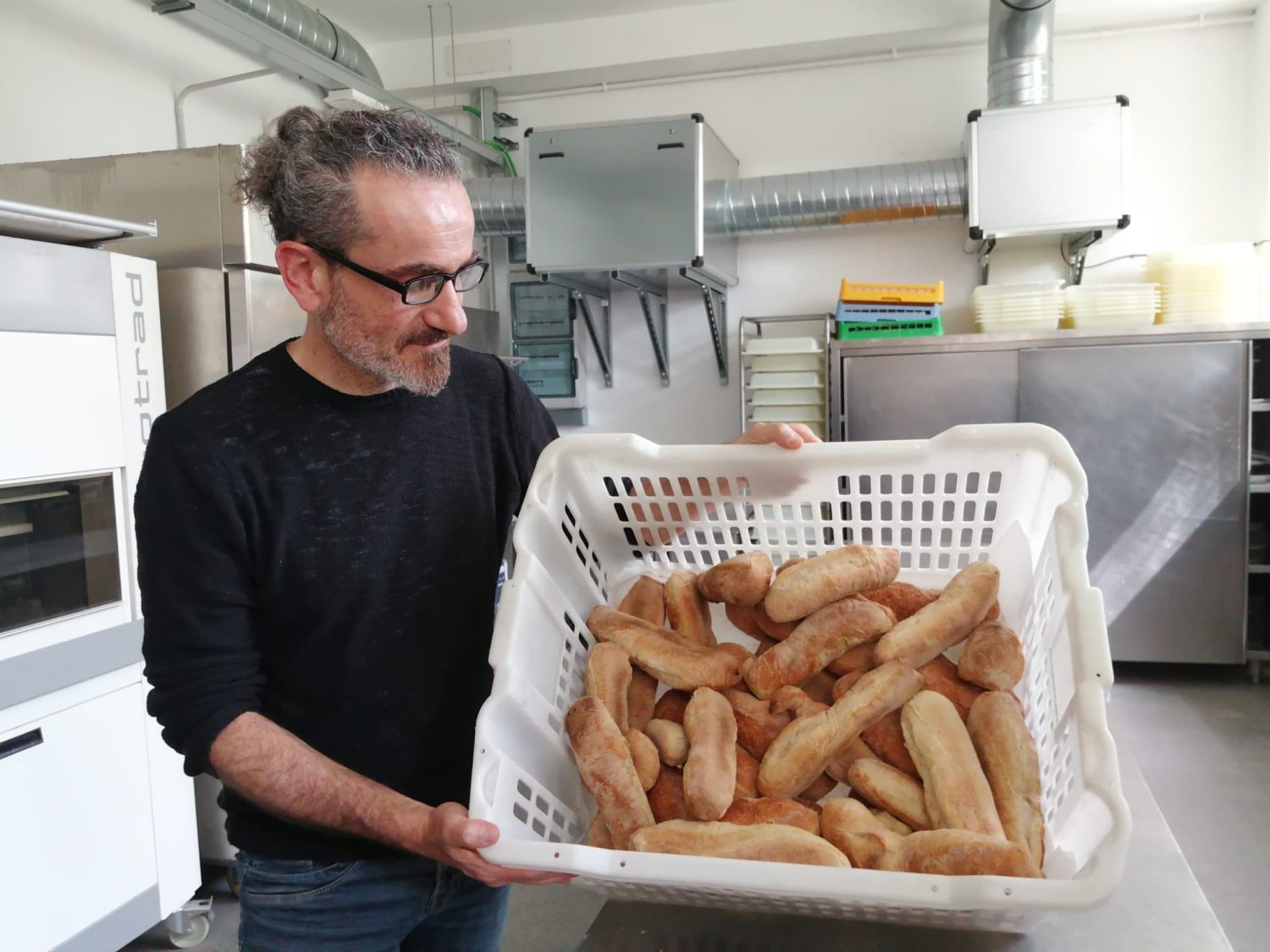
The social supermarket looked exactly like a normal supermarket, with shelves full of the usual products, fresh vegetables, freshly baked bread (baked in house!) and normal check-out tills. Referred by Social Services, each beneficiary, had a membership card, pre-loaded with tokens to spend how they saw fit.
By using pre-loaded cards, they were empowering beneficiaries to choose what they needed – whilst maintaining dignity.
The project also provided wraparound support, including managing money, language training, free after school clubs, and they also provided job training and job matching.
We came away feeling inspired, impressed and keen to learn more about what how our partners are addressing food related issues. The visits continue to other cities, with more learning to be exchanged.