We’re all increasingly aware of the plastic problem. Images of overflowing landfills and plastic-choked oceans are a stark reminder of the environmental impact of our throwaway culture. Events like Food Waste Action Week can motivate us to tackle the problem together.
But in the UK, it’s still tough to avoid plastic when doing your weekly food shop. Even with the best intentions, the reality is that many supermarkets still heavily rely on plastic packaging.
What if, instead of feeling overwhelmed by the sheer volume of plastic, we focused on what we can control – by embracing the simple yet powerful act of reuse.
Why reuse? It’s more than just a trend
Reusing food packaging isn’t just a feel-good activity; it’s a practical step towards reducing waste and conserving resources. Reusing existing packaging reduces the demand for new production, which in turn means a smaller carbon and resource footprint. Re-purposing things will reduce your need to purchase new stuff, which will also help you save money.
Practical reuse ideas
Eliminating plastic from your food shop can be challenging, especially if your local supermarket doesn’t offer many plastic-free options. So, instead of feeling defeated, get creative with reuse.
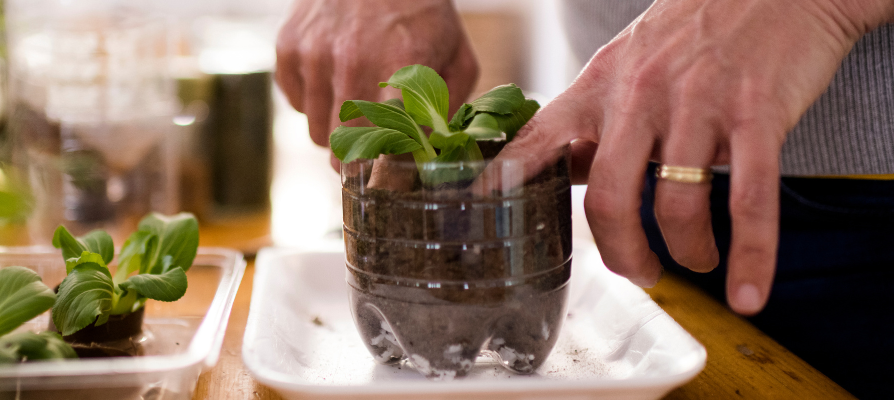
Fruit and veg trays, yogurt pots, takeaway containers
Or just about any pot shaped item is great for seedlings. Carefully make drainage holes, fill pot with compost and seed, water regularly and watch your plants sprout. Try with herbs on a windowsill if you don’t have a garden for an extra zing in your meals. Micro-basil, cress and chives only need a little space to grow.
Small pots can also be useful to organise items in draws or used in crafting, eg tidying hairbands, spare batteries, to separate all the endless cables or as a paint or glue pot– just make sure pots and tubs are clean and dry before using.
Takeaway containers can be used instead of single-use clingfilm and used repeatedly to store leftovers, instead of a lunch box or to portion out meals when batch cooking.
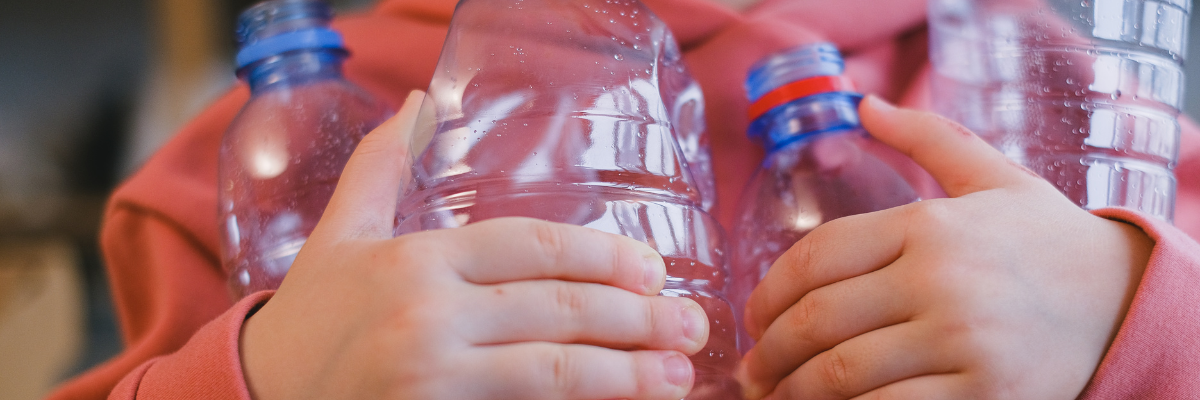
Rather than buying a 500ml bottle of pop, why not try reusing a bottle to take a bottle of squash with fizzy water as a healthier and cheaper alternative. You can also fill bottles with water and freeze to use as ice packs.
Plastic fruit, vegetable and bread bags
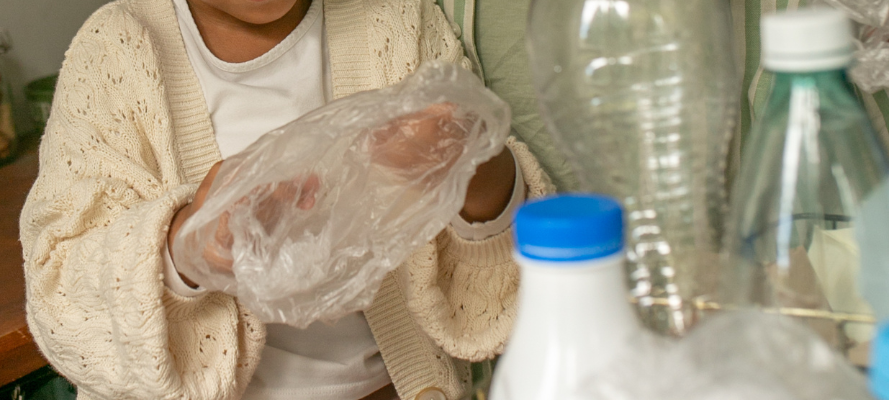
- Wash and reuse them for storing loose produce in the fridge
- Use instead of clingfilm to cover leftovers or wrap sandwiches for lunch.
- Use them as bin liners for small bins like in the bathroom.
When your bags are worn out, take them back. Most supermarkets now take back soft plastics to be recycled, which will help tell the supermarkets that we don’t want the plastic and hopefully incentivise them to reduce what they distribute their products in. We recommend taking back to the Co-op where possible as their soft plastics get recycled in the UK.
Fill up at a Plastic-Free Shop
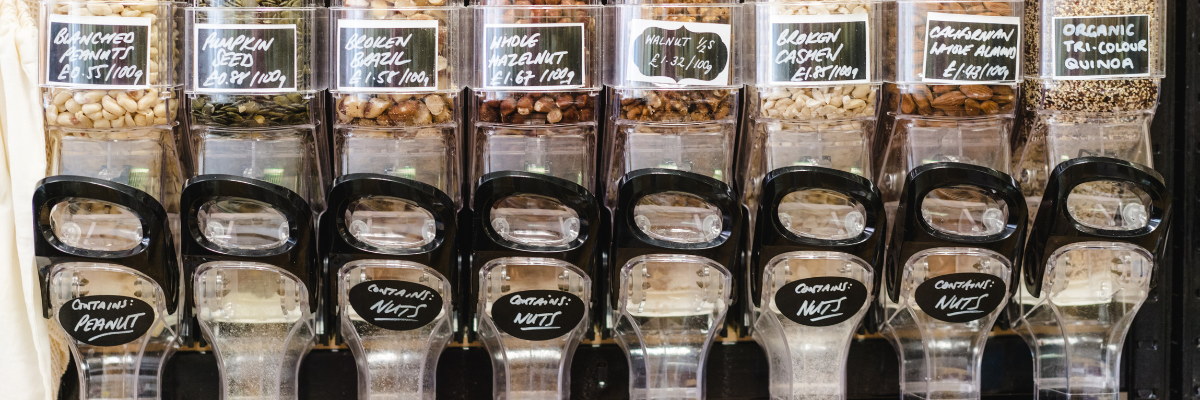
Local farmers markets or independent shops offer loose produce and package-free options great for long-shelf-life items like oats and rice. If you have one locally, take your used containers or bags to fill up again at a Refill shop for an economical way of reducing packaging.
When plastic-free shopping isn’t possible, buy items you know you will use a lot of in bulk to reduce the overall amount of packaging eg cleaning products. There is less packaging in one big tub than lots of small ones.
Small Changes, Big Impact
Start small and give yourself time to figure out what changes you can make and stick to, and build on it one step at a time.
These may seem like insignificant changes but everyone reducing, reusing or repurposing plastic is an important step towards long-lasting positive change for the climate.