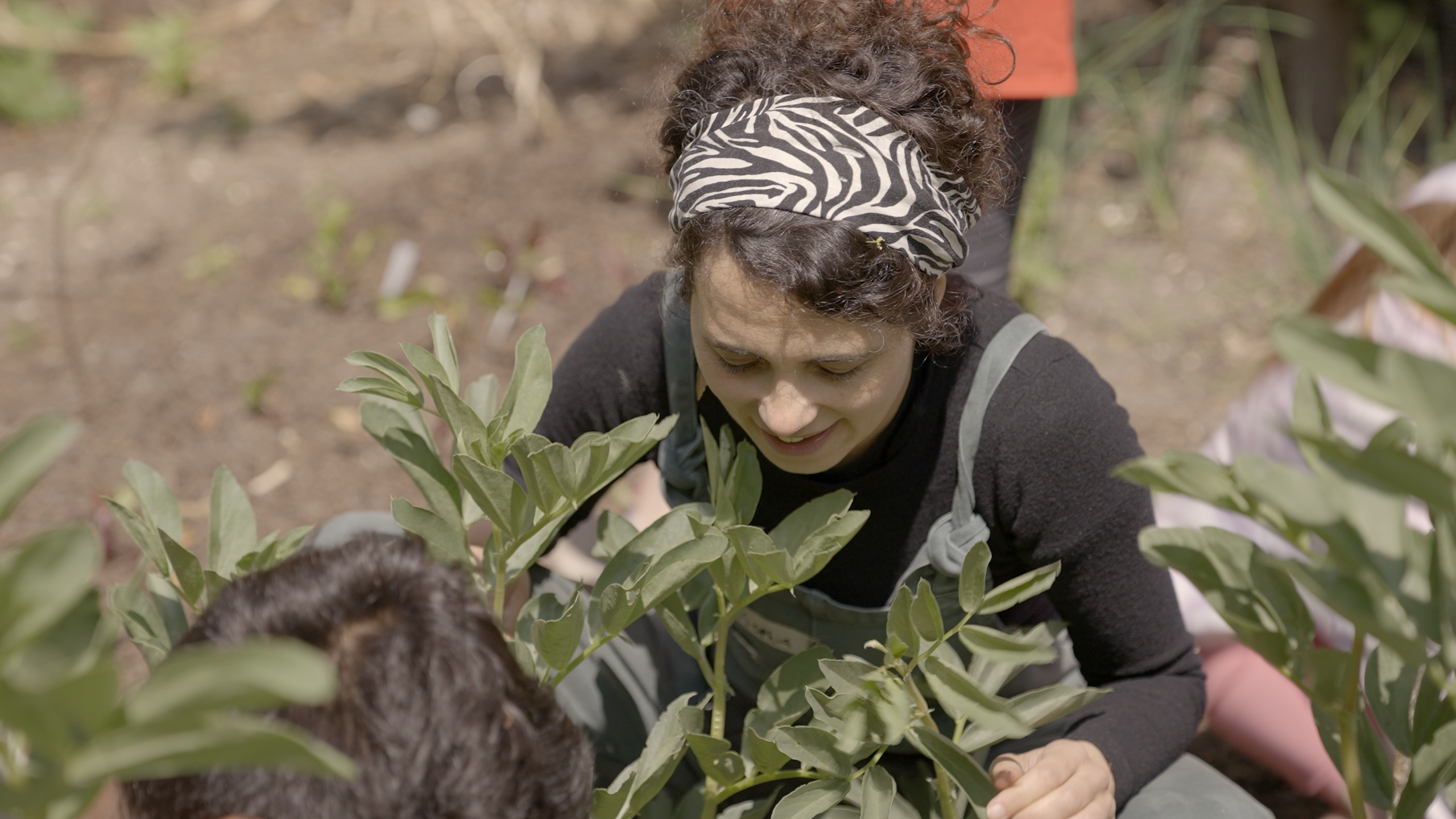
1 new fully-booked ‘Free University’ course developed – ‘From Farm to Fork – an Introduction to Food Systems’, bringing together academics, activists, policy-makers, and more
4 new community researchers were hired as part of our Food Systems Equality Project (UKRI-funded). These local researchers are working to address food inequality in less affluent communities
5 out of 5 is the average score given to our community cookery courses
8 new community cookery courses piloted, including a ‘Batch Cooking’ and a ‘Low Energy Cooking’ course developed to mitigate the ongoing impacts of the Cost of Living Crisis
9 new community composting schemes opened across the city in the last year
10 focus groups have been held with our community researchers exploring what food policy means to people, and local attitudes and behaviours around eating fish and pulses
16 recommendations made in collaboration with Bridging Change in our shared report, addressing the food access needs of Black, Asian, Minority Ethnic communities, and Refugees & Asylum seekers
22% of volunteers across our gardening groups identify as LGBTQIA+

25% increase in people using emergency food services across the city compared to last year
26 members of paid staff deliver our extensive programme of work
45 participants attended ’Growing New Roots,‘ an 8-week nature connection group – with 92% reporting increased wellbeing levels
46 food banks, social supermarkets and community meal providers are supporting over 6,400 beneficiaries every week
51 organizations form the Emergency Food Network, working out of 59 community spaces across the city supporting people in food insecurity
56 community compost schemes operate around the city, diverting food waste from incineration and creating rich compost for local soils
60% of participants who attended a community cookery course are now cooking more from scratch even 3-6 months after attending
60 volunteers gave 1,005 hours of their time across our 4 gardening groups, reaping the benefits of increased confidence and skills reported by 75% of attendees.
70 people attended a launch event at the Waterhall Clubhouse for our Land Use Plus project, focussing on the challenges and opportunities for local nature-friendly farming
75% of attendees at our gardening groups reported an increase in confidence after attending
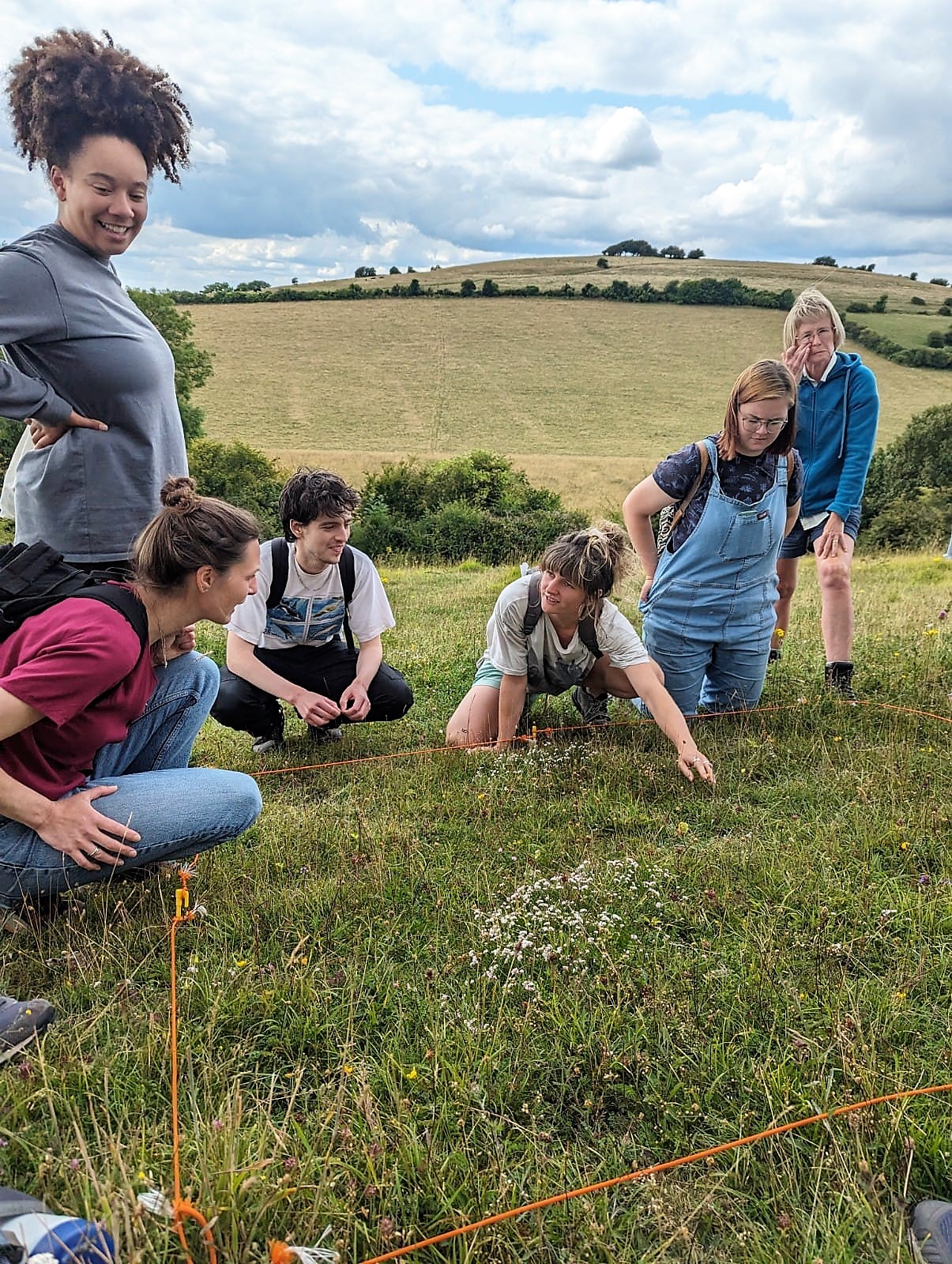
92% of people that attended a Green Wellbeing Alliance outdoor session reported an increase in their wellbeing
103 Community Cookery sessions were held, covering diverse topics from ‘make your own takeaway’ to classes aimed at enhancing mental health through cooking
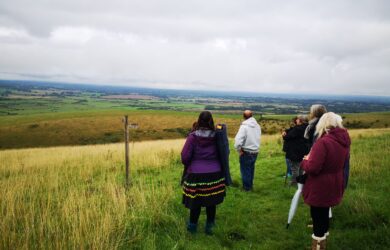
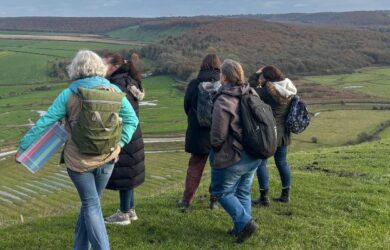
120 people visited a local farm through the Soil in the City project, which connects those using Affordable Food Hubs with the countryside
240 dedicated volunteers support us across gardening, composting, and cooking projects
269 volunteers and staff attended tailored training sessions covering mental health, first aid, food hygiene, and more
2,000+ copies of our Low Energy Cookery Booklet were distributed to low-income households
4,000 people read our newsletter every year
£76,790: Raised through joint fundraising to support citizens in need with fuel, food, and toiletries
10,200 hours were volunteered in total across our composting, community cookery, and community gardening projects
109,000 people visited our website, with almost one tenth of these visitors accessing our information about emergency food, proving that we continue to be a vital hub for local people needing to access food
Of course, numbers and stats can never convey the full reality of a year as a Food Partnership. Numbers cannot convey the political, economic, and environmental upheaval of 2023, and the ways this sent shockwaves across the food system; or the human stories, lives, and experiences that intertwined with any work to do with food. To find out more about the stories behind the figures and how we had impact as Food Partnership in 2023, read our full impact report here.
How do you sum up a year’s work as a Food Partnership? It’s not an easy task, given that on any given day our work varies from teaching people how to cook and grow food, to working with the council on a 100-year long restoration for the Chalk Download surrounding Brighton & Hove. Below we go through a whistle-stop tour of 2023 in numbers, using figures to tell the story of the work we did in 2023.
These numbers are taken from our newly-published impact report, which provides a fuller picture of the ways that working as a Food Partnership has had impact at individual, community, and national level. Read the full report here.