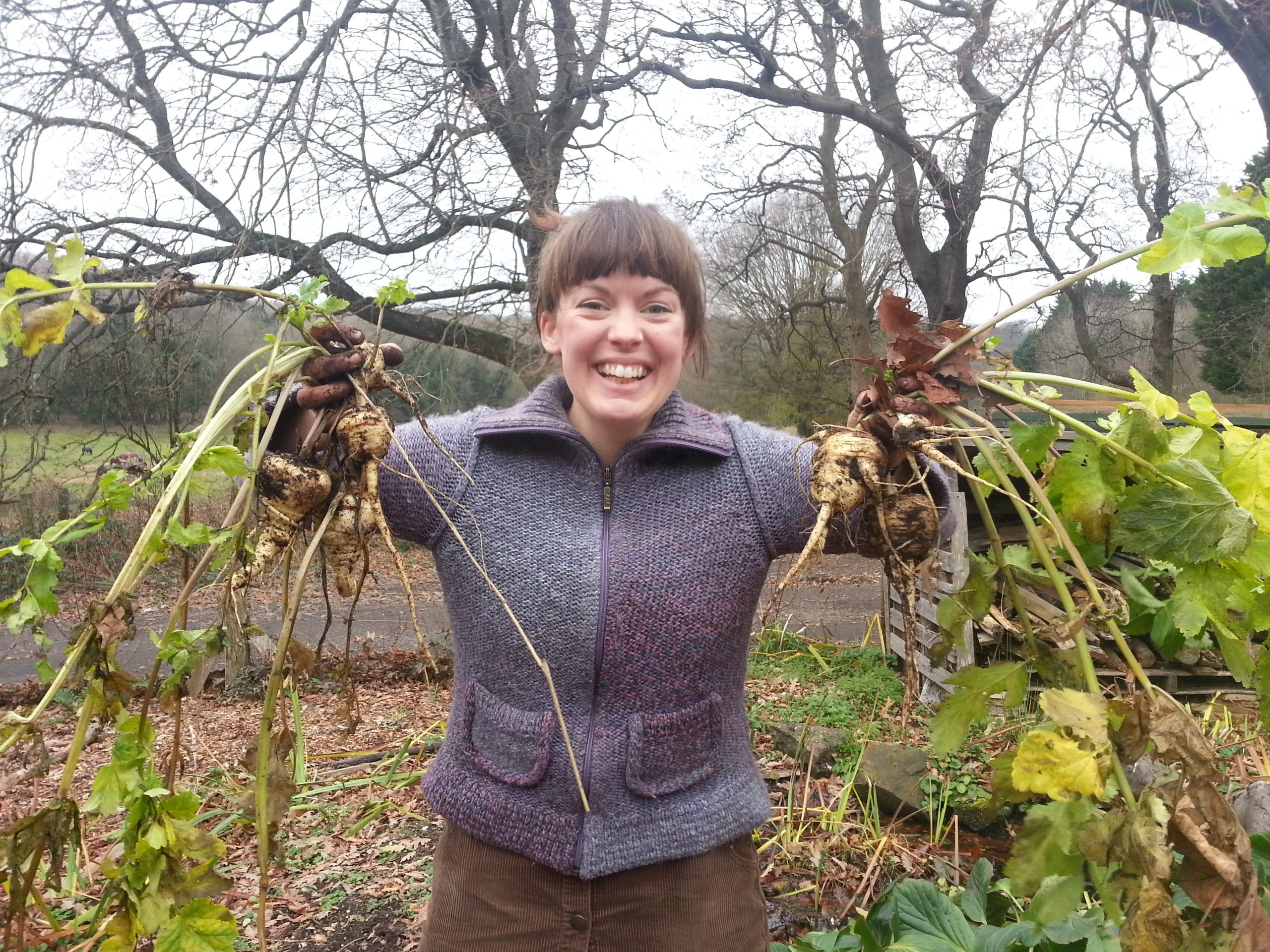
Being an allotment gardener is an experience that provokes joy, pride, frustration, and much more. How do you convey this experience into strategic and financial terms?
Translating the value of nature-based activities into facts and figures that are understandable to funders and local authorities is a difficult task. Whilst food growers will happily chat about the sense of delight they get from being outside, it can be difficult to put this into tangible terms. What is the value of growing your own peas at your allotment, and how are you meant to convey this to local authorities and investors?
Thankfully, the Brighton & Hove Allotment Federation have recently released a study that does just that. Drawn from research conducted across the city’s 2,311 allotment plots, their new report aims to make a business case for allotments in Brighton & Hove, showing that allotments make significant strategic and financial contributions to the city. This report comes at an important time, as land becomes increasingly competitive within Brighton & Hove. The findings from the report, explored below, make clear that allotments are an essential and beneficial part of our city’s landscape.
Food:
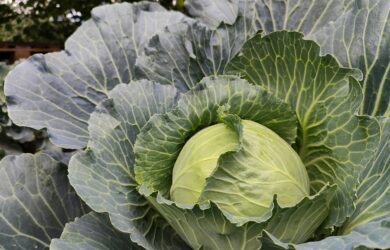
Allotments across Brighton & Hove provide roughly 481 tonnes of produce a year – the equivalent of 40 double-decker buses packed full of food. Priced at supermarket prices, these vegetables have a value of £1.12 million. The financial value of this food is particularly important to those across the city who grow food in allotments but earn below £15,000 a year (which is around 43% of all allotment holders!), as self-grown food offers growers an opportunity to enjoy organic and quality vegetables that may not be available to them otherwise.
At a higher level, increased local food production also helps mitigate national concerns around food security and the national food system – which is a huge polluter. Food grown in an allotment vastly reduces packaging, which reduces stress on the city’s recycling plants. Similarly, locally grown food uses far less water than is otherwise used at commercial level. Food production creates pollution in many different areas across a huge chain, so focussing on locally grown food within the city helps the council meet its climate goals.
Environment:
Allotments have supported between 4 and 54 times more bees and pollinators than other types of council-managed land such as parks. Pollinators are crucial to helping food grow – if we were to attach financial value to the labour they provide, the report estimates that they are directly responsible for producing £.58m of the produce currently grown on Brighton & Hove’s allotments. Allotments are providing our city with pockets of rich biodiversity, which is an essential contribution to the city’s overall efforts to become greener and more sustainable. They have soil that stores 578 tonnes more carbon than is stored in grassland areas such as parks, offering a significant contribution towards the city’s aspiration to become carbon neutral by 2030 – as well as having a financial value of £519,483.
Health:
A well-known benefit of gardening is increased mental wellbeing, and this report certainly bolsters that trend. Allotment users across the city have self-reported reduced levels of stress, depression, and loneliness, which in financial terms has the potential to save local health providers around £26,519 in consultations and treatments – particularly considering Brighton & Hove has one of the highest prevalence rates of depression in the country, with 11.7% of adults in the city on GP registers for depression in 2019/2020. The stress-reduction impact was even higher amongst gardeners from areas across the city with higher deprivation levels, meaning allotments can be part of the city’s strategy for addressing and reducing health inequalities across the city.
7.6% of adults in Brighton & Hove suffer from loneliness – a condition that carries a health risk as harmful as smoking 15 cigarettes a day. Yet 72.1% of respondents felt they belonged to a community on their site, 75.7% of plot holders in the city felt that allotments were good places to socialise, and an incredible 100% of respondents felt their allotment was a friendly place. Allotments play a crucial role in reducing social isolation, and preventing the associated negative mental and physical health impacts of loneliness.
Conclusions:
Overall, the report estimates the cumulative benefits that allotments offer the city in health savings, carbon sequestration, and shortened supply chains to be around £385,567 per year, alongside a food worth of £1.12 million. Whilst it may feel unnatural to put a financial sum on the value of allotments, doing so is necessary in an urban landscape where land is scarce and councils face ever increasing budget pressures. With waiting lists across the city at a historical high of 2785 people, this research adds clout to the obvious demand across the city for food growing space.
Financially costing the benefits of allotments helps create an understanding of food, and food-growing, as universallly beneficial. This thinking aligns with the ethos of the Brighton & Hove Food Partnership, where we believe that food is more than just fuel, and is instead a tool to bring people together and transform lives. Food impacts all areas of our lives in a myriad of ways, and this report helps build up a case for investing in food, and food-growing, for the future of our cities and their populations.
Find out more about how we use food to transform our city here, and learn more about the Brighton & Hove Allotment Federation here.