Are you contaminating your recycling unintentionally? Do you know what and where to recycle your waste?
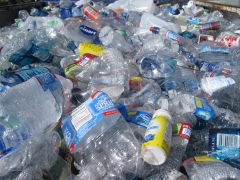
We know from conversations we have with members from our Food Use Places project that many people find recycling very confusing. This then leads to a lot of ‘wish-cycling’. Wish-cycling is the action of putting an item in the recycle bin because your heart wants it to be recycled, even if your head is saying I’m not sure which bin that goes in.
In Brighton & Hove curbside collections/ communal bin recycling is more limiting than you think, with only seven items able to be recycled this way.
Are you confident what these seven items are? Are you still putting your yogurt pots and Tetra Pak cartons into the recycling?
The fact is it is more damaging for the environment being a ‘hopeful’ recycler than a simple recycler.
A common point that comes up when we talk about recycling in Brighton is:
‘The council come and take away what I put in the bin, so why don’t they leave it behind if it isn’t meant to go in to the recycling?’

The answer – there isn’t the right infrastructure or staff resource to take the wrong items out of the recycling. The terrible reality is that if too much (around 25%) of the wrong stuff goes in, it all gets treated as waste and sent to the incinerator in Newhaven, instead of being recycled. Just because it goes into the bin, and the council takes it away, doesn’t mean it is being sorted out and recycled. The responsibility is on us to ensure we sort out our recycling properly.
The vast majority of the city’s waste that is not recyclable is processed at the Energy Recovery Facility in Newhaven where it is incinerated to recover energy. The result is we have very low landfill rates, for 2021/22 this figure was 1.2% – Brighton & Hove City Council.
It’s easy to think, great that means it’s going to energy generation that must be a positive?
Unfortunately, not. It still means that the planet is being squeezed to find the resources needed to keep up with our staggering consumption. There is carbon associated with driving the waste to the incinerator before the item is then burnt at 850 Degrees °C. This effectively is the end of its ‘lifecycle’ and the opportunity to recycle has been lost forever.
However, there is hope. Here are a few simple changes we can all make at home to make a huge difference.
- Firstly, remember this mantra; REDUCE, REUSE, RECYCLE – It is always better to reduce waste and reuse as much as possible and then only recycle and compost what is left.
- Pledge to stop Wish-cycling – tempting though it is to believe the label, even if it says RECYCLABLE, it is only recyclable if the item goes to the right place. Adhere to the seven items mentioned above for Brighton’s recycling collection. Otherwise, you need to take it to a special collection point like your nearest recycling centre or a Tetra Pak recycling point.
- The Green Centre is a great resource, with lots of information of where to take other common items.
It is estimated that we throw away five million tonnes of plastic away in the UK every year. One tonne of recycled plastic saves around 16.3 barrels of oil, so tackling plastic recycling is a good place to start.
Reduce first, so try opting for loose fruit and veggies, rather than the pre-packaged option and try to stay clear of those offers, encouraging you to buy more single portions such as crisps.
If those deals are just too good to resist, then take your soft recycling to your nearest collection point.

Most big supermarkets now have collection points and taking plastics back to them is a great way of showing that as a customer you care about this issue. A point to mention is that you don’t have to use that supermarket to use their recycling i.e. they all except each others’ plastic packaging.
Taking back the packaging means that the supermarkets creating the waste are paying to have it recycled, instead of us paying through our Council Tax for waste disposal. The more we give back to the supermarkets, the more they understand how important this is for customers and the more likely they will change their ways and re-design foods with less unnecessary packaging. We are already seeing this with the removal of plastic spoons from yogurts and film lids from dips.
Soft plastic now collected in large supermarkets are:
- Plastic bags
- Crisp packets and foil-like wrapping
- Food and pet food pouches
- Bread bags
- Fruit and vegetable packaging
How to get into the swing of it:
- Scout out your local supermarket to see what items they take and how they need to be sorted – for example some of them want soft and hard plastics in different collection points. Most won’t take black plastic. If you’re not sure if your store does it, either look online or ask the staff instore.
- Get your long-life shopping bag, put it near your regular bin and instead of opting to go in the black sack, put it in there- it will quickly add up and your black sack will be emptier.
- When it’s time for you to do your food shop, pick up your bag and take to the supermarket. The plastic should be clean and clear of food, so it won’t make your reusable bag dirty.
- A good thing to remember is to try and find a solution which suits you, starting small and building it in to your routine gradually so it becomes second nature.
Other items
- Find your Tetra Pak cartons collection points here.
- There are also two recycling centres (Brighton, Hove) which take a lot of common items, like lightbulbs and cooking oil. Brighton & Hove City Council has an A-Z guide here, which covers what can be recycled where.
- 8 Billion trees; how many trees do you need to offset your carbon.
- Keep and eye out for Wrap’s food waste action week 6-12 March– Win, don’t bin!
The Big National Lottery Climate Action Funded, Food Use Places project, we are working with 14 community projects in Brighton and Hove and Newhaven to take action on their food waste and packaging. We have collated information on what to do to properly recycle in the city and reduce their waste (both food and recyclables) and where to take it in order for it to be properly recycled. Working with the projects helps us reach our wider community, with those who may not otherwise know where to start or what can be recycled where.