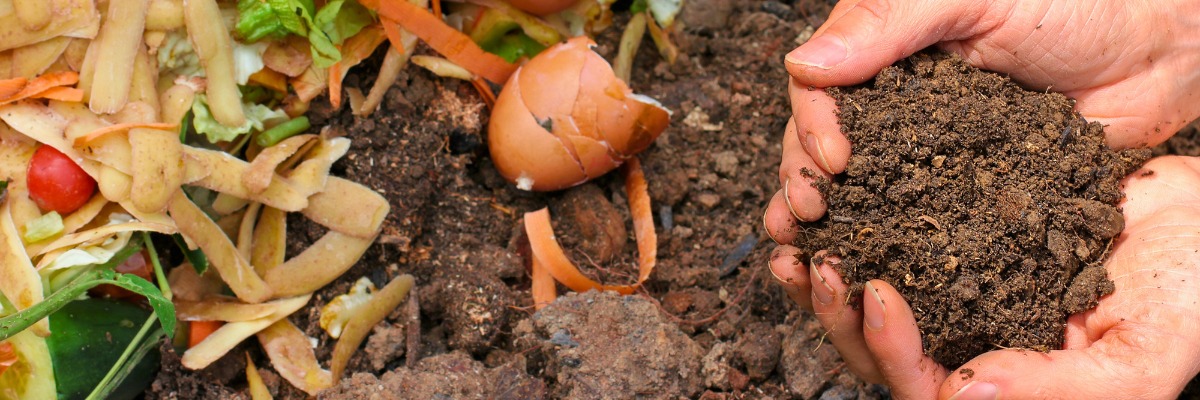
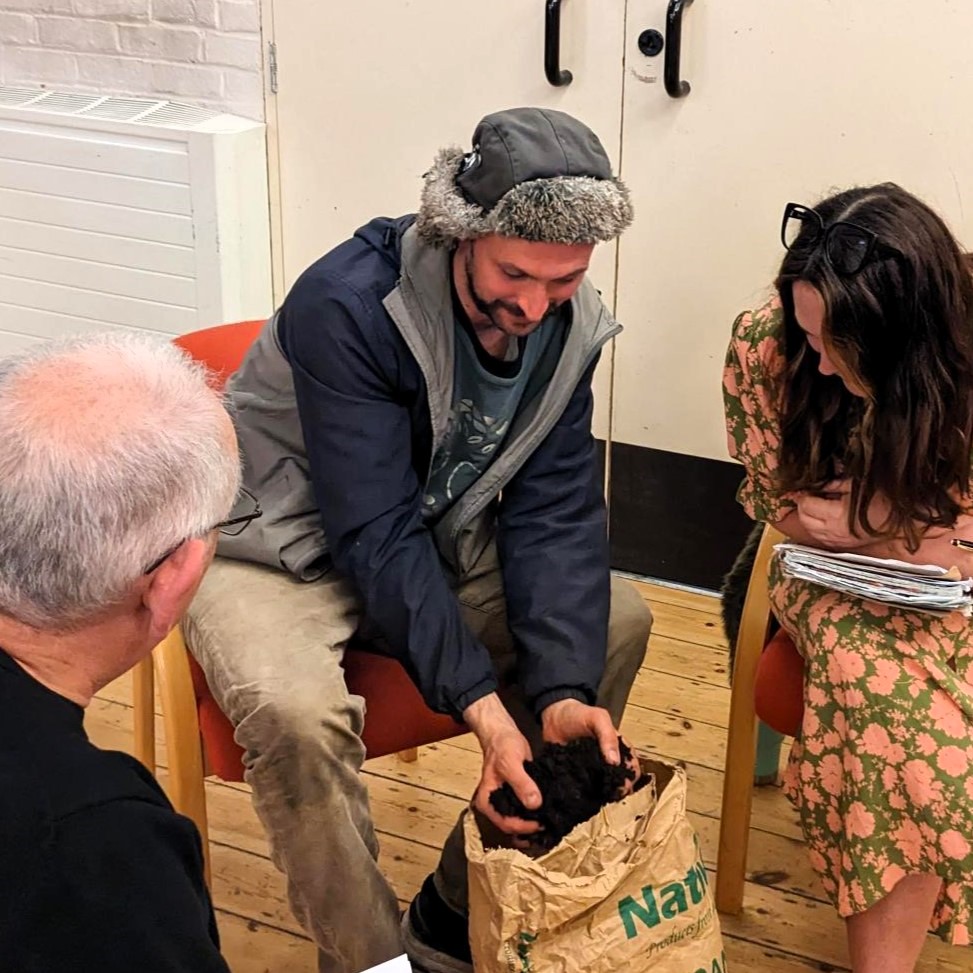
Composting – the art of turning your kitchen scraps into garden gold – is like a mystical journey. One that our 9 compost partners have mastered over the course of the pilot phase of The National Lottery Climate Action Fund Food Use Places project.
It’s where banana skins and coffee grounds unite for a grand adventure with potato peelings as their trusty sidekicks. This project has already saved an estimated 590kg of food scraps from going to incineration per year.
With this infrastructure now in place, food waste from the community venues across East Sussex, will always be turned into compost.
Micro organisms, big environmental impact
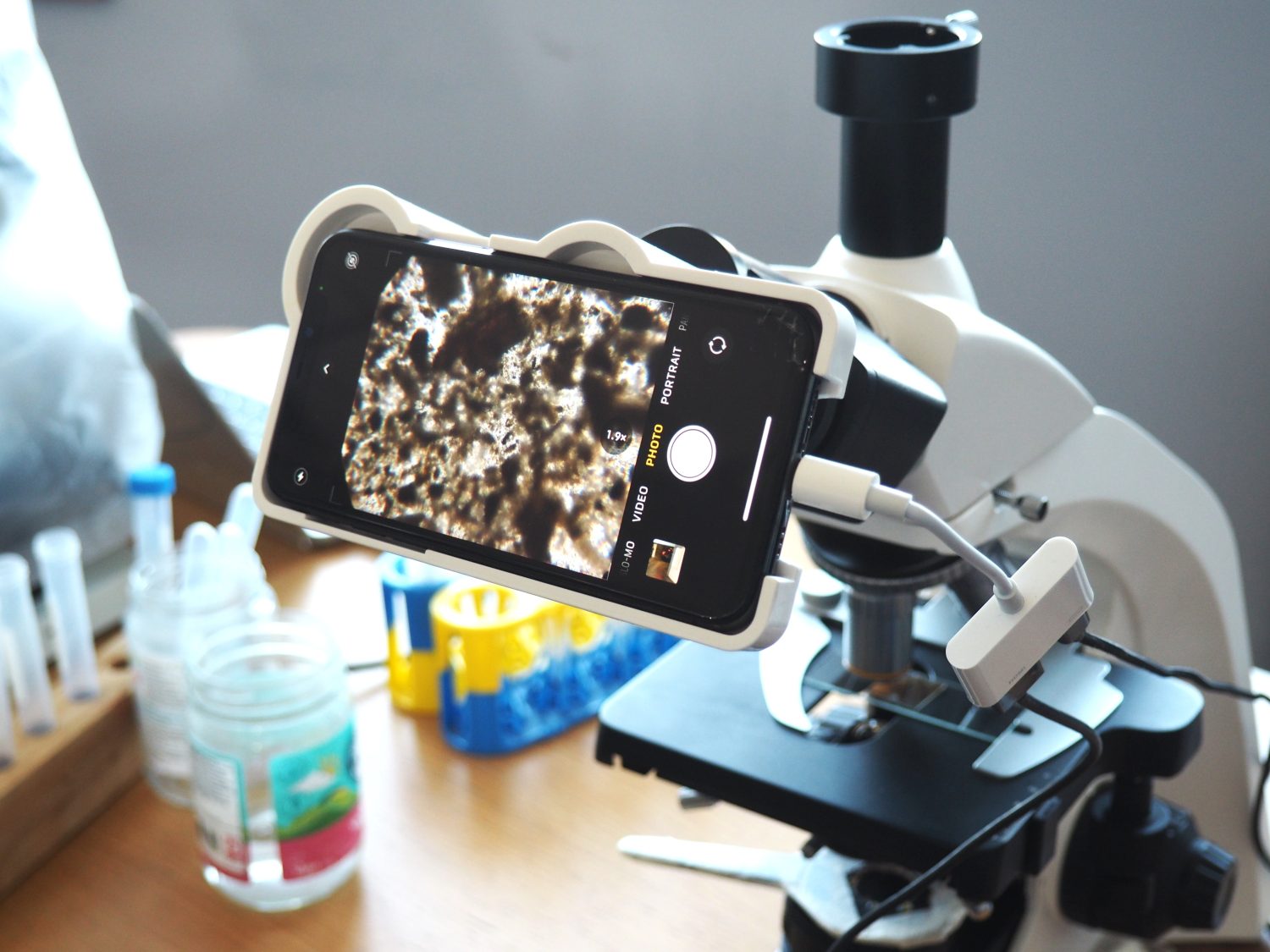
Our compost superheroes have saved the day by preventing the emissions of a whopping 1475kg of CO2 over the past year. This climate win is made possible thanks to the process of Aerobic composting.
While it might sound scientific, “Aerobic” simply means “with air”. In practice, this means mixing air into the food waste by stirring it or turning it inside a compost tumbler. It gives helpful organisms the oxygen they need to do the job of breaking down the food waste into good compost.
These microscopic compost helpers include aerobic bacteria and fungi. Their activity produces heat, water, and carbon dioxide (CO2). You will know that CO2 is classified as a greenhouse gas. However, it is many times less harmful to the environment than the smelly methane produced when food waste does not have air mixed into it. That’s why aerobic composting is a powerful climate action.
Let’s talk about the unsung heroes of composting. Worms might not be the stars of the show, but they’re the backstage crew that makes everything run smoothly. Worms burrow through the compost, creating channels that increase airflow, preventing the dreaded anaerobic conditions. They speed up the process with their feeding and movement, regulate moisture content like compost maestros, and their castings are the VIP tickets to a nutrient-rich garden. Glamorous? You bet! So, next time you spot a worm in your garden, give it a VIP pass straight to your compost pile.
The human heroes behind the tumblers

With Fungi setting the rhythm, bacteria blowing the horns and worms wiggling the strings, making compost is like an orchestra. The compost monitor is the conductor.
Finding the right balance of what goes into the compost is no easy task. However, with training and ongoing support from Old Tree Soil and the Food Partnership we are learning to play a sweet symphony of decomposition.
Dave from The Bevy has become an expert at turning kitchen scraps into a ‘garden gold’ as proud monitor and guardian of ‘Rupert the Rocket Ridan’. Rupert guzzles 400 litres of mixed waste every week and spits out 70 litres of compost. All the busy microorganisms inside mean Rupert reaches temperatures of up to 60 degrees – hotter than your average cup of coffee! The resulting compost is put onto The Pubs Garden, where they grow veg to give back to the community and be served in house.
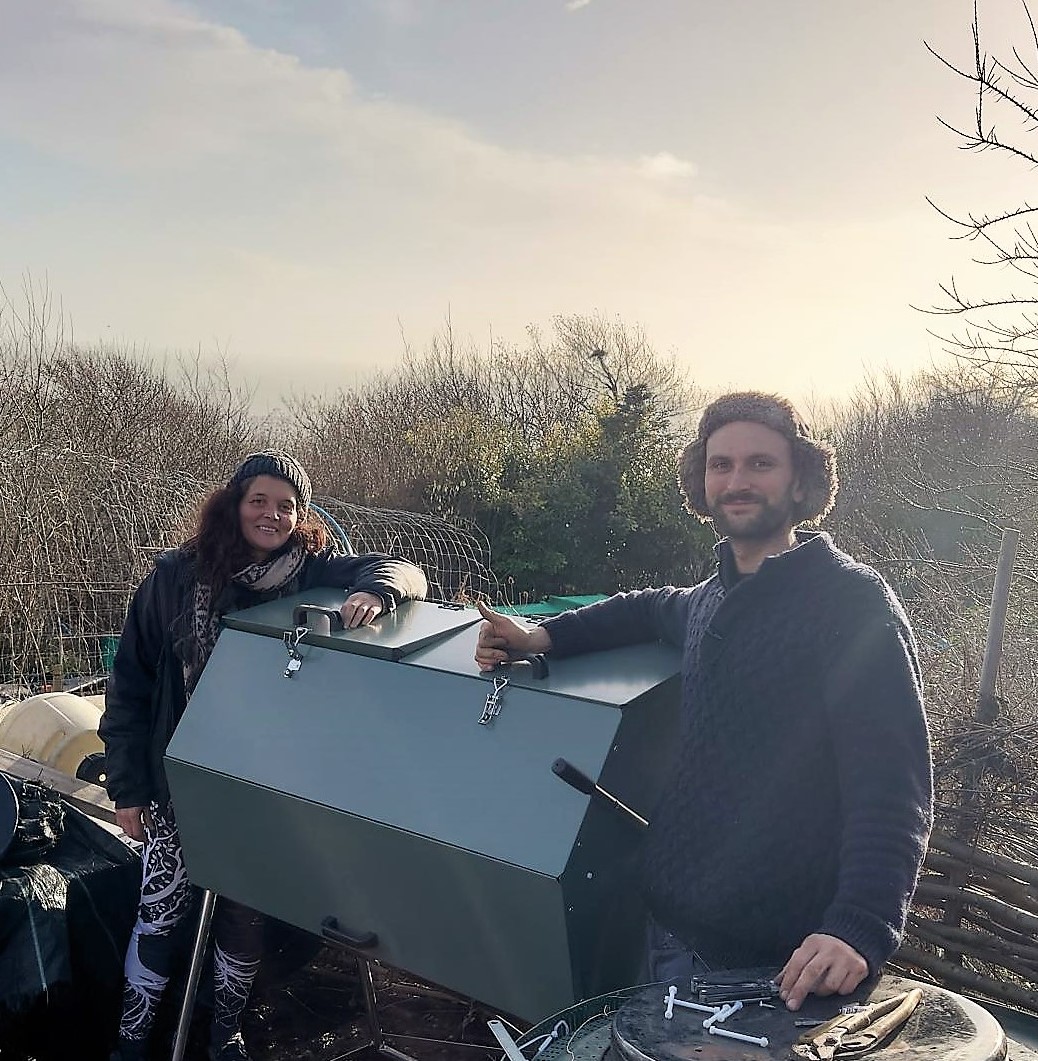
Our other 8 projects are owners of smaller, but no less powerful ‘JK400 Joraform’ tumblers, who can also take 50-75litres of all food waste including animal bones, cooked pasta/rice and vegetable scraps and turn them into gardeners’ and growers’ best friend.
Now, here’s the showstopper which we’ve been proud of since 2012. Our community compost schemes, installed and run across the city thanks to the support of Brighton & Hove City Council. Imagine 5035 wheelie bins of food scraps, from 1171 households, diverted from the landfill/incineration to become stars in the grand cycle of decay.
Next time you toss that apple core into the compost bin, know that you’re contributing to a grand circus of decay. Happy composting, – may your piles be rich, your worms be lively, and your garden be forever grateful!