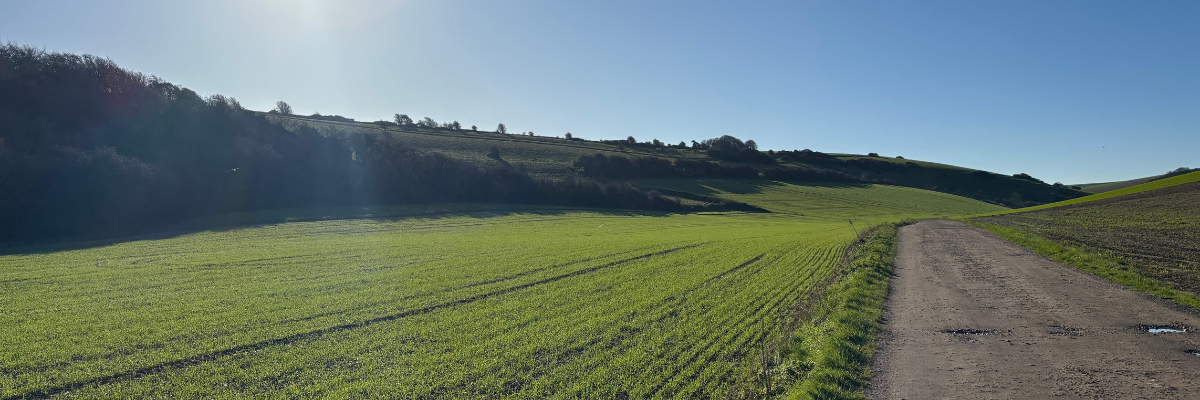
As part of my training, I spent time on farms across Sussex to gain hands-on experience and see different farming systems first-hand.
Coming into my role on the Land Use Plus project, I had some textbook knowledge about nature-friendly farming, and a basic awareness of livestock farming, but little experience of how this works in practice. This has given me a much stronger appreciation of what it takes to produce food locally, as well as the challenges and opportunities facing farmers.
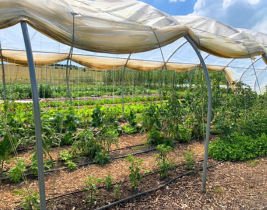
Lovebrook farm
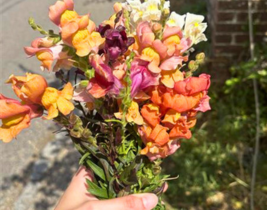
At Lovebrook, I joined the Tuesday morning volunteering team in the market garden. Although the wider site spans around 33 acres, the market garden itself occupies only a small area. During my time there, I learned the principles of market gardening and began to understand just how important seasonality is to crop production.
Much of my time was spent weeding, which I found unexpectedly therapeutic. I remember the first time I was working in the beds, pulling weeds from the soil, and being struck by the smell. It is hard to describe, but it was rich, fresh and unlike anything I had smelt before. Putting physical effort into a task with a clear, measurable outcome was refreshing, particularly being able to see the immediate results of my work, something that project-based work does not always offer.
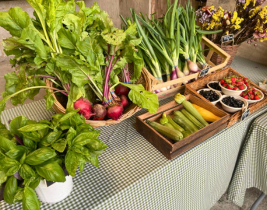
Harvesting soon became another highlight. Working together to gather produce for the veg boxes created a strong sense of shared purpose, which was made even better by sitting down afterwards to enjoy a shared lunch with the volunteers.
The Lovebrook community was incredibly welcoming, with different volunteers each week and larger groups in early summer when there was more work to do. One particularly memorable experience was harvesting strawberries one week, followed by leading a small team of pickers the next. Taking on this responsibility, with the fruit going into both the veg boxes and our shared lunch, helped build my confidence, reinforced the importance of working collaboratively, and helped me realise just how much we could achieve together as members of this community.
Clapham Farm
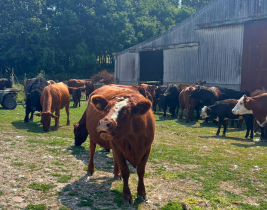
I spent two consecutive days on farm at Clapham Farm, gaining hands on experience with livestock. Compared to the market garden, everything here moved at a very different pace, shaped by the animals, the land and the need to travel between sites.
The first day was spent with the cattle, helping with TB testing across four sites, including the home farm in Littlington. The vet talked me through how the testing works and why it is so important where TB has been detected before. Seeing this up close really highlighted the level of care involved in managing livestock health, and why this matters for the meat that eventually makes its way to the consumer.
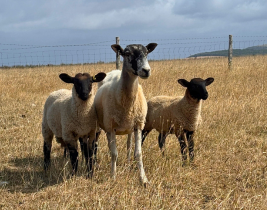
The second day was all about sheep, weaning ewes and lambs at Gayles Farm on the Seven Sisters, with sweeping views across the South Downs. Herding sheep was far harder than it looks and gave me a huge amount of respect for the skill and patience it requires. Holding a lamb was an obvious highlight, but the day also prompted me to think more carefully about the realities of livestock farming and food production.
Back at the home farm, I looked through farm plans across the different sites and learned how land suitability and sustainable farming incentives shape decision making. Through my work with Sussex Grazed and the Changing Chalk project, we work closely with Clapham Farm because several of their sites are chalk grassland. Seeing grazing managed on these landscapes in practice helped connect my time on farm directly to my role and to the importance of grazing in maintaining this unique landscape.
South Farm
South Farm is primarily a dairy farm, tucked away at the end of a long, winding drive, surrounded by open fields and rolling countryside. You could see glimpses of the farm diversifying, and I was told how important these additional income sources are, as well as the opportunities they create to engage with the local community.
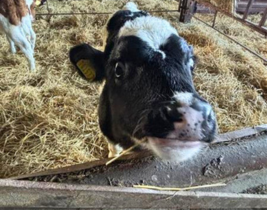
I spent most of my mornings feeding the young calves and loved seeing them grow while learning about appropriate weaning practices. It was really enjoyable to watch them develop, and I learned a lot about the care and attention they need. I was also shown the robotic milking system, which milks the cows daily and monitors their health. It can detect mastitis, trace blood in the milk, and analyse milk composition to flag cows that might become unwell. I was amazed at how this technology supports animal welfare, picking up things a person might easily miss.
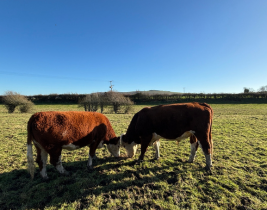
I was also introduced to the shepherdess’ beef herd, where I had the chance to share some of my learning and experiences from Sussex Grazed, including approaches to successful marketing and connecting with local consumers. It was exciting to see how my insights could be applied in practice and to discuss ideas with the team.
Alongside this, I joined the shepherdess for daily checks on the sheep, both on the home farm and further afield. Herding and working with the flocks further reinforced just how patient you need to be and how unpredictable life with animals can be. It is relentless at times but never boring. Overall, my time at South Farm was a great mix of hands-on experience, observing technology in action, sharing knowledge, and enjoying the quiet beauty of a working dairy farm.
Ovingdean Grange Farm
I spent a day at Ovingdean Farm in Ovingdean, Brighton, where the farm was hosting a visit from local school children as part of Farm School. The programme is part of Changing Chalk and works with primary schools to help children learn more about their local environment, farming, and where food comes from.
The day began indoors, with time spent learning about chalk grassland, farming, and food production. The children were then able to head outside and get hands on, which was where the learning really came to life. Watching them explore the farm highlighted just how valuable these experiences are, and how vast and beautiful the South Downs are, open for everyone to enjoy.
The farmer took time to explain what being a farmer involves, the day to day work on the farm, and how the animals are cared for. The children were able to touch and hold the chickens, which they absolutely loved, and we finished with a simple activity identifying the different colours found across the farm. Everyone left with big smiles, and I can imagine tired legs from all the running across the fields.
Reflections
This on-farm experience gave me the chance to gain practical skills, see nature-friendly farming in action, and learn directly from the people working on the land. I am really grateful to everyone who took the time to show me the ropes and share their knowledge. It was a great experience and left me with a much deeper appreciation of farming, both the hard work involved and the thoughtful approaches that support sustainability. There is truly no better way to learn than by being on farm, experiencing the work firsthand and contributing to the team.