This summer, Food Use Places proudly celebrates the end of its first year — a year of building momentum, deepening trust, and showing how collective community action can lead to real climate benefits.
Thanks to support from the Climate Action Fund, we’ve taken significant steps toward our vision: to minimise food’s impact on our climate by creating a new norm — a food use mindset.
What is Food Use Places?
A 4-year project and a place-based alliance of 16 organisations across East Sussex. United in our goal to transform the way we think about, use and value food.
Through a powerful combination of circular economy thinking and asset-based community development, we’re turning everyday actions — like sharing surplus food or composting leftovers — into tools for climate action and social connection.
Together, we’re shifting the focus
from food waste to food USE
Year 1 Highlights
- 1,230 tonnes of food that could have ended up as waste was instead used to make meals or compost
- 1,018 tonnes of surplus food redistributed
- 445 people took part in behaviour change workshops
- 79 people were trained in food use confidence
- Community compost tumblers now divert 36.3 tonnes of food waste annually
- Launched the Eat Smart Schools programme locally in Moulsecoomb primary school
- We reached 526 children through primary schools and after school clubs
Our Year in film
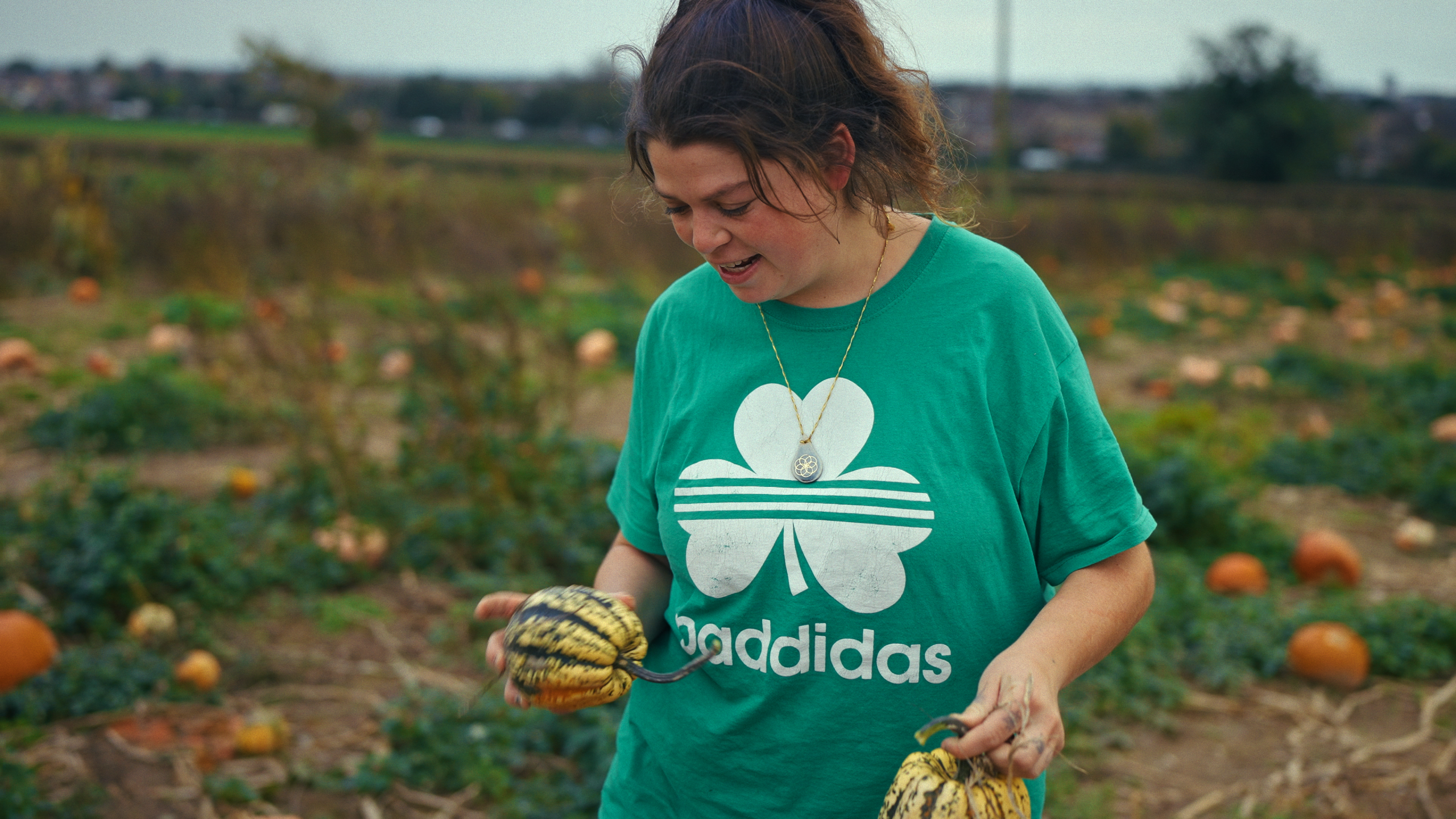
Get a behind the scenes look into what made our first year so impactful from gleaning and soup making, to forest garden joy!
Bringing communities together around food use
Partners engaged over 2000 people in their communities by putting on over 30 public events. These included Hangleton Knolls Youth Project’s Big Munch picnics, Moulsecoomb Forest Garden’s open day, The Bevy’s annual plant sale and BHFP’s annual Loving Living Soil event.
Circular economy impact
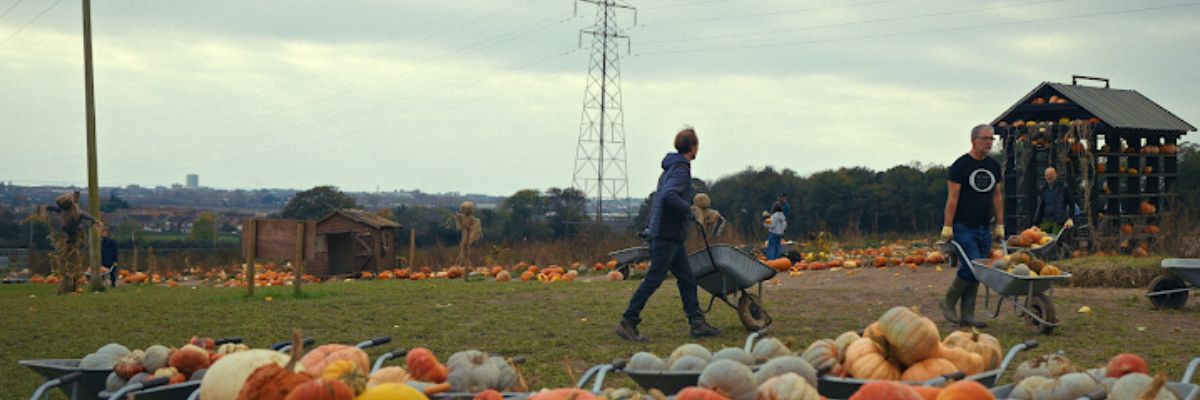
Redistributed food is used to make shared meals eaten by 1796 people per week and even more long life products being made, such as Sussex Surplus, who with thanks to their new larger Autoclave machine, created long-life jars of soup made from surplus pumpkin gluts.
“Cooking nutritious meals using surplus food sparked conversations around climate change with those who may not typically identify with environmental movements.”
– SCDA